DOT Compliance, DQMConnect™
If you’re a business owner who employs commercial drivers, then you know how important it is to keep track of their driver qualification files (DQFs). DQMConnect is the leading driver qualification management software on the market, and for good reason. It offers many advantages over other DQF management solutions. In this article, we will discuss what DQMConnect is, and why you need it for your driver qualification management software needs.
DQMConnect: What is it?
DQMConnect is a cloud-based software application that helps businesses manage their driver qualification files. It offers several benefits over other DQF management solutions, including:
– Ease of use – DQMConnect is easy to use, making it simple for business owners to track and manage their DQFs.
– Centralized storage – DQMConnect stores all of your DQF data in a centralized location, making it easy to access and update.
– Automatic updates – DQMConnect is constantly updated with the latest DOT regulations, ensuring that you always have the most up-to-date information.
– Compliance tracking – DQMConnect tracks your DQF compliance, ensuring that you always meet DOT regulations.
What a driver qualification file is
A driver qualification file is a document that contains information about a commercial driver. It includes things like the driver’s name, address, and driving record. DQFs are required by the DOT for all commercial drivers.
Who needs to have a driver qualification file?
All businesses that employ commercial drivers must maintain DQFs. This includes trucking companies, bus companies, and freight brokers. These files are used for driver safety and compliance with DOT regulations. They often include:
- Driver Application for Employment
- Inquiry to Previous Employers (3 years)
- Inquiry to State Agencies
- Copy of Medical Examiner’s Certificate *Driver must have this in their possession while driving
- Driver’s Road Test
- Copy of Certification of Road Test
- Annual Driver’s Certificate of Violations
- Annual Review of Driving Record
- Checklist for Multiple Employer
DQMConnect Helps With DOT Driver Qualification Files
DOT is constantly changing its regulations for commercial drivers. DQMConnect is updated with the latest DOT regulations, so you can be sure that your DQFs are always in compliance. DQMConnect also tracks your DQF compliance, so you’ll never have to worry about being fined by the DOT.
Even More Benefits
There are so many benefits of DQMConnect, it’s hard to list them all. Here are just a few more:
– Increased efficiency – DQMConnect helps you manage your DQFs more efficiently, saving you time and money.
– Improved safety – DQMConnect helps ensure that your drivers are always in compliance with DOT regulations, which improves driver safety.
– Peace of mind – DQMConnect gives you peace of mind, knowing that your DQFs are in good hands.
The Ultimate in Driver Qualification Management Software
If you’re looking for a reliable and easy-to-use DQF management solution, then DQMConnect is the answer. It offers many advantages over other solutions, and it’s always up to date with the latest DOT regulations. Contact Vehicle Licensing Consultants to learn more about DQMConnect and how it can help you manage your driver qualification management software needs.

DOT Compliance, DQMConnect™
Driver qualification files are an important part of a company’s safety management system. They document a driver’s qualifications and history, which is essential for ensuring that the driver is safe to operate a commercial motor vehicle. But with so much information to track, it can be difficult to know what to save and what to toss. Let’s review a checklist of items to maintain in your DQ file, as well as tips for DQ file management using DQMConnect software.
How to Know What to Save and Not To
There are many items to consider when determining what to save and what to throw away in your DQ file. The following checklist can help:
– Driver’s license
– Medical examiner’s certificate
– Drug test results
– Driver training records
– Accident reports
– Citations and fines
Save everything that is required by law or regulation, including driver’s licenses, medical examiner’s certificates, and drug test results. Maintaining copies of accident reports and citations can help you stay informed about your drivers’ safety records.
Toss anything that is no longer valid or relevant, such as expired driver’s licenses and training records. It’s also a good idea to periodically purge your DQ file of old or unused documents.
Additionally, there are some specific timeframes for when files must be kept:
- A driver application with the employment duration; keep three years after it ceases.
- Motor vehicle record (MVR) when hired.
- Certificate of a road test.
- If a road test is not used, a copy of the driver’s commercial driver’s license.
- All of the returned Safety Performance History from inquiries.
- An annual motor vehicle record.
- A full review of the annual MVR.
- List of violations from the driver.
- Medical status with a certificate for CDL holders from an MVR.
- Medical status of CDL holders on MVR.
- If applicable, a medical variance and/or exemption document must be included.
Use DQMConnect for Your DQ File Management
DQMConnect is a powerful tool for managing your DQ files. With DQMConnect, you can easily keep track of driver qualifications and history, as well as receive real-time alerts when something changes in a driver’s file. Contact Vehicle Licensing Consultants today and get your DQ file management solution in place and running perfectly!

DOT Compliance, DQMConnect™
Driver qualification files are an important part of any driver management program. They contain all the information needed to assess a driver’s qualifications and ensure they meet safety standards. In this blog post, we will discuss how to manage driver qualification files effectively. We’ll cover everything from creating and organizing files, to tracking driver progress and keeping records up to date. Having a well-managed driver qualification file management system is essential for ensuring compliance with safety regulations and protecting your business.
What is a driver qualification file?
A driver qualification file is a document or electronic folder that contains all the information needed to assess a driver’s qualifications and ensure they meet safety standards. The file includes driver history, testing results, certification documents, and any other relevant information.
Who needs a driver qualification file?
Any company that employs drivers must maintain driver qualification files. This includes trucking companies, delivery services, and any other business that uses drivers to transport goods or people.
What should be included in a driver qualification file?
A driver qualification file should include the following information:
– driver’s name and contact information
– driver’s license number and state of issuance
– driver’s driving record
– driver’s medical history
– driver’s employment history
– driver’s safety training records
– driver’s drug and alcohol testing results
The consequences of a poorly maintained driver qualification file
If driver qualification files are not managed effectively, businesses can face serious consequences. Noncompliance with safety regulations can result in fines and penalties, driver suspensions, and even loss of business licenses. It is therefore essential to have a well-organized driver qualification file system in place.
The Fines for Driver Qualification File Violations
If your company or driver is not in compliance with driver qualification file regulations, there are a number of fines that can be levied.
- First offense: $11,000
- Second offense: $27,500
- Subsequent offenses: $55,000
To ensure you don’t get hit by any of these costly fines, it’s important to have a driver qualification file management system in place.
How to create and organize driver qualification files using DQMConnect
DQMConnect was created and developed with the goal of being simple to use, easy to set up, and fully addressing the difficulties of hiring, managing, and communicating with drivers.
Automating driver qualification file management is one of the many benefits of using DQMConnect. Driver files can be easily created and organized, ensuring that all driver information is in one central location. And because DQMConnect integrates with your existing hiring and onboarding processes, driver qualification files are always up to date.
Get the Best in Fleet Automation
Don’t wait until the worst happens, get your driver qualification files in order with the best solutions. Contact us today to learn more about DQMConnect and how Vehicle Licensing Consultants can put your fleet on track!
Fleet Management
What Are the Most Important Fleet Management Metrics to Track?
If your business relies on a working fleet in its daily operations, it’s absolutely vital to get the most possible value from those vehicles. Costs of fleet ownership continue to go up, especially fuel costs and replacement electronics, so a smart fleet manager should be constantly tracking data and looking for the best ways to optimize operations.
A great fleet maintenance management software solution provides the tools to collect, track, and analyze vast amounts of data – but it takes the human touch to know which pieces of information are most important.
At VLC, we have extensive experience helping fleet managers make the most of their vehicles – and these are the metrics we tell our clients to always focus on.
Ten Critical Metrics to Track For Optimizing Your Fleet Maintenance Management
1 – Daily Vehicle Inspection Reports (DVIR)
Your DVIRs are one of the single most important data sets you can collect. Yes, they can alert you to immediate problems with the vehicles, but their real value is long-term. Properly stored and analyzed, they give you deep insights into the health and performance of every vehicle. In many cases, you even get early warnings of maintenance issues before they become a big problem.
2 – Component lifespans
Every component in your vehicle has an expected lifespan, typically measured in either years or miles. This information is almost impossible to track by hand, but a fleet maintenance management system can track your vehicles at the component level. You’ll have early warnings that a component is near its EOL, allowing you to proactively replace it before a breakdown happens.
3 – Miles and gas mileage
Fuel costs are difficult to manage even in the best of times, and right now, anything you can do to improve your vehicles’ MPG is going to significantly reduce ongoing costs. By tracking the odometer and gas mileage over time, you’ll know early on if some sort of problem is affecting performance. It might be a mechanical issue or a bad driving habit, but either way – you’ll be able to address the problem sooner, rather than later.
4 – Asset utilization
Accurately tracking the utilization of your vehicles is critical for avoiding both over-and under-utilization. An under-utilized vehicle either needs to be used more or else potentially be removed from service to avoid the maintenance costs. Over-utilized vehicles are going to be less reliable and prone to breakdown, and – at least – need more maintenance attention to keep them running at peak performance.
5 – Total maintenance costs
How much are you spending per vehicle to keep it on the road? And is this expense actually justified by its returns? Too often, fleet managers can get into the habit of simply paying for repairs and maintenance, without doing a TCO/ROI breakdown on those costs. If a vehicle has become a money pit, you should know as soon as possible so that you can start exploring alternatives.
6 – Stock inventory
If your business truly relies on having vehicles on the road at all times, it’s vital to keep enough spare parts in your inventory to do replacements as quickly as possible. However, this can be tricky if you’re trying to track all your spares by hand. Good fleet management systems incorporate inventory management tracking as well, so you’ll always know when it’s time to order more spares – before they’re required.
7 – Driver performance and safety
When your fleet management software is linked to vehicle telematics systems, you don’t only get information about the vehicle – you also have a powerful tool to monitor driver performance as well. From staying within the speed limit, to whether they stop at train crossings, you’ll know whether they’re driving in ways that are safe and efficient. If not, it’s time for some coaching.
8 – Driver assignments and profitability
Some drivers are better at some tasks than others; that’s just human nature. With good data tracking and oversight of your drivers, it’s easier to spot both their strong points and their weak points. This leads to much smarter driver assignments, allowing you to make the most of your human resources as well as your vehicle resources.
9 – Technician productivity
Which of your technicians are working the hardest, and who does the best work which stands up over time? This can be derived from your maintenance records, cross-referenced with the responsible technician. This opens new opportunities to optimize your technical staff while spotting workers in need of more coaching or training.
10 – TCO / ROI
All of this adds up to the ability to track the most important metrics of all: TCO and ROI. You’ll know in detail how much you’re spending on your trucks, their efficiency, and their value to the company. From purchasing decisions to governmental reporting, this information is invaluable.
We Have the Fleet Maintenance Management Solutions You Need
VLC helps you make the most of your working fleet! Click here to learn more about our services.
Fleet Dispatch
Why Every Fleet Manager Needs Excellent Fleet Dispatch Software
Chances are, your vehicle fleet is already managed by some sort of software solution – but in too many cases, these are sub-optimal or outdated systems. Many operations still track everything manually in spreadsheets, for example, which is both time-consuming and prone to errors due to data entry mistakes.
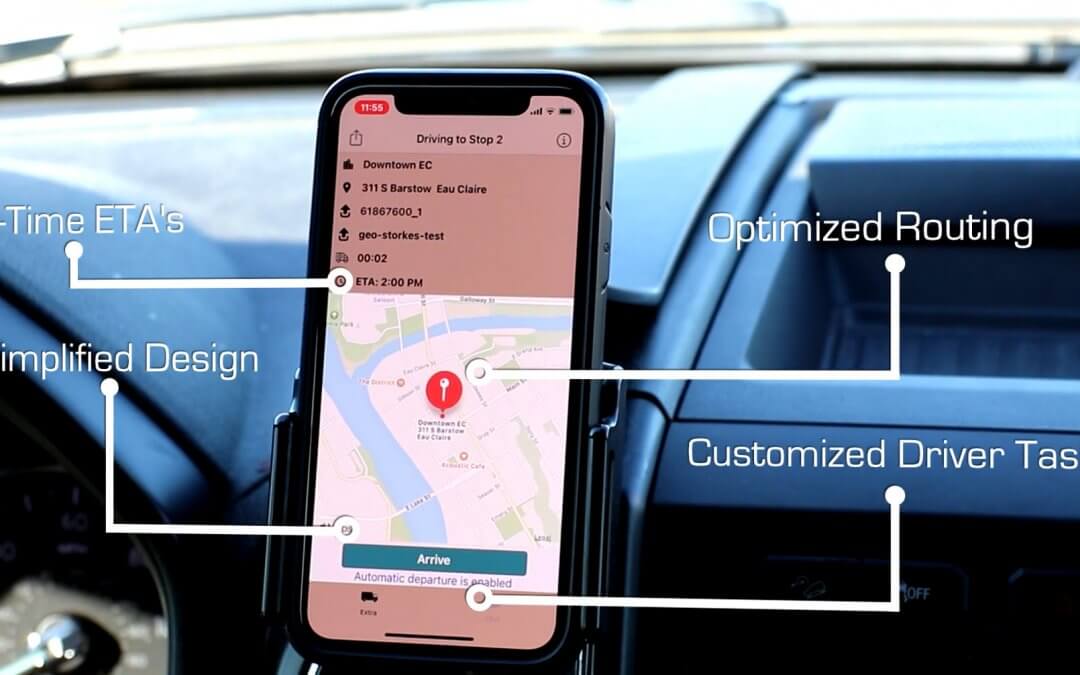
However, there are now much better options available. A modern fleet dispatch software suite can overhaul everything about your fleet management, and for the better. Fleet dispatch software goes far beyond dispatch duties – it can become the central pillar of your entire fleet management workflow.
How Fleet Dispatch Solutions Make Fleets Run Better
1 – Tracking more than just vehicles on the road
Any up-to-date fleet will have some form of on-road vehicle tracking, usually via GPS, but you can do far more than that. Fleet dispatch software can handle basic tracking, of course, but it will capture data from throughout the journey, along with information about your drivers’ performance.
This is then instantly put into databases for tracking and analysis. You can keep tabs on your fleet’s overall health and performance month-by-month, year-by-year. This leads to improved maintenance, lowered costs, and better ROI on your vehicle purchases.
2 – Keeping drivers and assets safer
Right now, with so much turmoil in the professional driving industry, it’s more important than ever to keep your drivers safe and happy. Robust fleet tracking and reporting makes this simple! You can monitor drivers’ performance to ensure they’re driving in safe ways, and schedule coaching for those who need a refresher.
In addition, by tracking vehicles’ performance and maintenance records, you have a much better chance of catching small mechanical issues before they become big dangerous problems. Preventative maintenance is one of the best ways to protect your drivers and assets while assuring drivers that you really are looking out for them.
3 – Streamline audits, compliance, reporting, licensing, etc
There’s no avoiding the mountain of bureaucracy that goes along with operating a professional fleet – and the penalties for messing up paperwork can be steep. You can be hit with fines, or potentially even lose licenses. Worse, the amount of effort needed to ensure compliance can be overwhelming – at least if you’re doing things by hand.
Today’s fleet dispatch software captures and stores accurate data that you need for your reports, putting the information right where you need it. In some cases, the data can even be sent to the authorities directly, greatly streamlining operations.
Get Fleet Dispatch Software Today
Vehicle Licensing Consultants can make your vehicle management so much easier. Contact us to learn more!