DOT Compliance, DQMConnect™
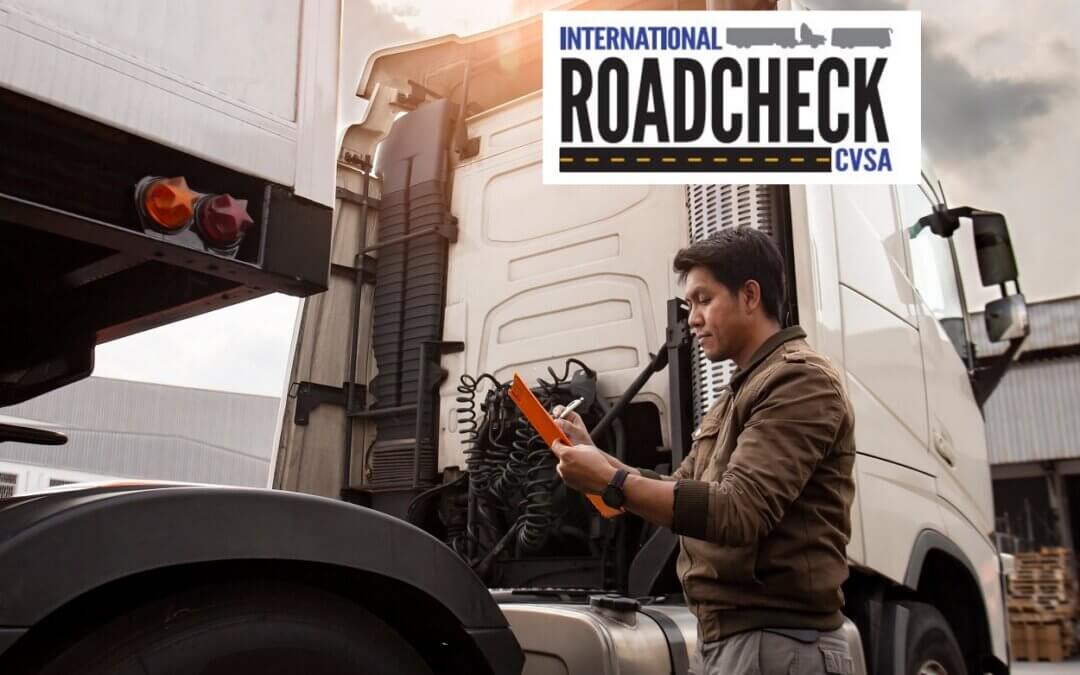
The worst event in professional transportation is almost here again. Roadcheck 2022, a 72-hour regulatory enforcement event, is set to begin on May 17 and last through May 19. For those three days, inspectors will be empowered to pull over any commercial motor vehicles at random for on-the-spot inspections and paperwork verification.
For newer operations, or drivers, this can be a shock – and potentially bring expensive penalties. here’s what you need to know.
Preparing For Roadcheck 2022
The first thing to know is that every annual Roadcheck event has a specific focus, an area of compliance that inspectors will focus on. This year, the theme is wheel end compliance. In fairness, as wheel-related problems are believed to cause roughly 25% of accidents, it’s understandable why this would be a focus.
So above all, you must ensure your vehicles’ wheels, hubs, and tires are in top condition. Any violations will be met with steep penalties.
The inspectors will specifically be looking for:
- Loose, missing, or broken wheel fasteners
- Any damage to rims, inside and out
- Unseated locking rings, or damaged locking rings
- Lubricant leaks
- Missing caps and plugs
- Tire leaks, including valve stem issues
- Tire inflation violations
To be clear, inspectors will not solely focus on the wheels. All aspects of the vehicle may be inspected, including the brakes, cargo containers, couplings, exhaust, driveshafts, even the windshield wipers. Your vehicles need to be in top condition!
In addition, paperwork will also be examined. This is where good driver file software management can be a big help. Your drivers will be expected to produce up-to-date medical cards demonstrating their physical capability, as well as documenting any relevant medical issues. Their driver’s licenses will be run, and they may be forced to produce other pertinent certifications and documentation as well. If you are maintaining your records well, it will be far easier for you to ensure all your drivers’ paperwork is in order, and that they have proper documentation ready on demand.
We Provide Cutting-Edge Driver File Software Solutions
Vehicle Licensing Consultants specializes in helping transportation companies manage and navigate the bureaucracy of the transport industry. Our software solutions can manage every aspect of your Driver Qualification files, providing warnings as needed when information is out-of-date, or critical deadlines are coming. With DQMConnect™ on your side, passing the paperwork side of Roadcheck 2022 will be much easier.
There’s still time to get in compliance. Click here to request a free 30-day trial of DQMConnect™!
DOT Compliance, DQMConnect™
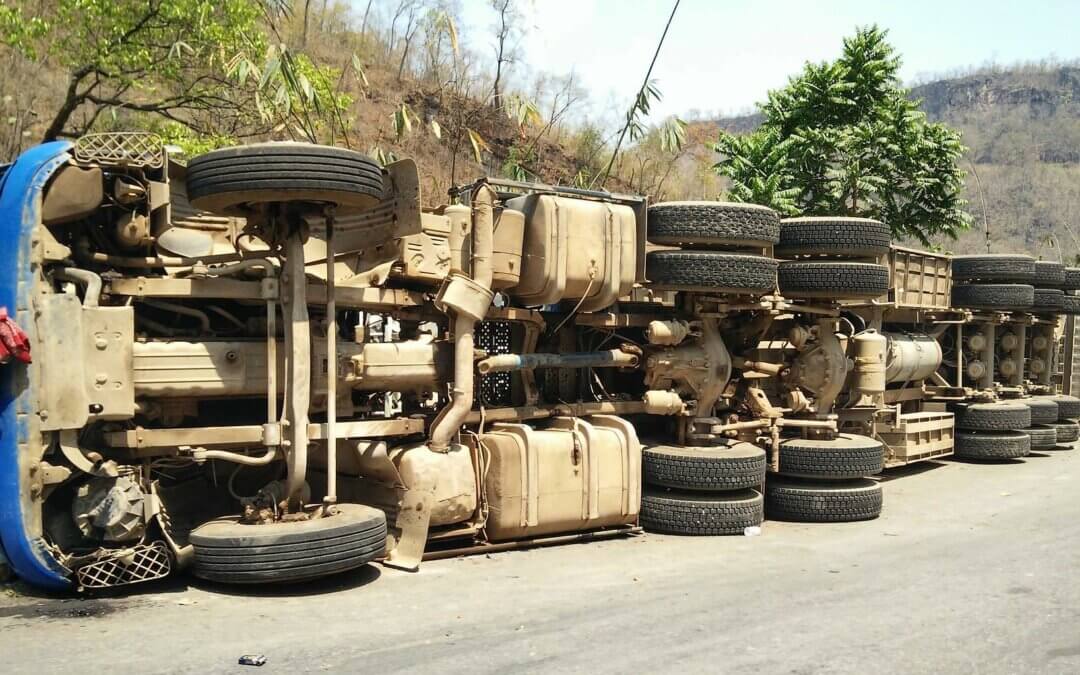
Accidents are an unfortunate fact of life in the transportation industry. With millions of trucks on the road every day, incidents will occur – and when they do, you need to be protected. Even though over half of accidents are due entirely to driver error, investigators will still expect you to demonstrate due diligence to reduce your own liability. Proper DOT driver qualification file management makes this far easier to achieve!
Why DQ File Management Matters
The Driver Qualification (DQ) file is a set of documents, mandated by the Department of Transportation regulation, demonstrating the fitness of a driver for their job. You must maintain a DQ file on all commercial drivers operating machinery weighing 10,001 pounds or more.
This file includes:
- Current driver’s license and status
- Motor vehicle records
- Credit and background check records
- Drug tests and results
- Driving record and previous violations if any
- Medical evaluations and certifications
- FMCSA clearinghouse queries
- And more
This file is your master record of a driver’s fitness – and your go-to source of proof that you have done your job properly as an employer. Without this information, you could become liable for drivers’ mistakes on the road.
For example, if you were unable to produce proof that you conducted background checks on your driver, that could be used against you if they had black marks on their past driving record. If they were not given regular physical checkups, or you lack documentation, a physical failing on the job could also become your legal responsibility.
In other words, good DOT driver qualification file management isn’t just the law, it’s also a very good idea. If your DQ files are well-maintained while being constantly reviewed and updated according to standards, your operation will be on much better legal footing should an accident occur on the road.
If not, your operation could end up on the hook for any and all damages done, and potentially face criminal action as well, depending on the severity of the situation. This must be avoided at all costs because a single case could be financially disastrous.
DOT Driver Qualification File Management
Vehicle Licensing Consultants specialize in helping professional fleets manage and maintain their fleets and drivers while staying fully within legal requirements. DQMConnect™ is your all-in-one tool for DQ file management! Click here to learn more, or request a free 30-day trial.

DQMConnect™, Driver Safety
Due to the genuine danger that can come from large trucks, it’s absolutely vital to know that your drivers are capable of doing the job – and that’s not just good advice; it’s the law. Under Federal Rule 391, anyone employing professional drivers operating vehicles over 10,000 pounds must maintain a Driver Qualification (DQ) File for every driver.
The DQ file contains numerous documents and information necessary to prove, on-demand, that your drivers are capable of doing their jobs safely. That makes this a critical piece of documentation to have and maintain.
Documentation Needed for Driver Qualification File Management
There are numerous pieces of information on your drivers that you must be able to produce on-demand as part of their DQ file. These include:
Motor Vehicle Records (MVRs)
You must maintain documentation of vehicle records for every driver, covering every state in which they’ve held a license or permit in the last three years. These records should be updated on an annual basis, to reflect the most current past-three-year period.
Previous Employer Requests and Responses
As with MVRs, you must also maintain personnel investigation requests and responses from the past three years, for every employer the driver has previously worked with during that period. This includes all responses from previous employers, as well as any situations where previous employers failed to respond to requests. If the driver has held no previous DOT-regulation positions, this should be documented as well.
Medical Examination Certificates
You must maintain documentation on the physical fitness of every applicable driver. At a minimum, medical examinations must be conducted at least once every 24 months. In some cases, if the worker has documented health problems, this minimum may be lower. This information must always be kept on file, including the medical examiner’s status.
Pre-Employment Drug & Alcohol Testing
All employers must drug and alcohol test their drivers prior to employment, for anyone holding a Commercial Driver’s License. The documentation of the test – and their passing of it – should be kept in your DQ file.
Driver Qualification File Management Solutions
Driver qualification file management can be a hassle, but VLC makes it easier with DQMConnect™ – our custom solution for managing and automating DQ-related tasks. Click here to learn more, and schedule a 30-day free trial!

DOT Compliance, DQMConnect™
 Are you aware that you may be required to keep driver qualification files for your non-CDL drivers?
Yes, it is true. DOT requirements are not limited to CDL drivers. DOT compliance is determined by vehicle weight. So, even if you only have non-CDL drivers, you may still need to maintain driver qualification files.
At VLC, we understand the challenges of sifting through all the rules and regulations necessary for your company to stay in compliance. So, we are covering a few important points and urging you to contact us if you have any more details questions or concerns.
While you only need a CDL for a vehicle that is 26,001 pounds or greater, there are circumstances that require you to maintain driver qualification files for non-CDL drivers. Here is the list to help you stay in compliance:
- Any interstate driver of a vehicle that has a GVW (gross vehicle weight) of over 10,000 pounds.
- Any interstate driver of a vehicle that has a GVWR (gross vehicle weight rating) of over 10,000 pounds.
- Any interstate driver of a vehicle that has a GCW (gross combination weight) of over 10,000 pounds.
- Any interstate driver of a vehicle that has a GCWR (gross combination weight rating) of over 10,000 pounds.
- Any driver transporting hazardous materials.
- Any driver transporting more than 8 people for compensation (count includes the driver)
- Any driver transporting more than 15 people with no compensation (count includes the driver).
.. Therefore, you might only have non-CDL drivers and still need to maintain DOT compliance.
As a word of caution, requirements do change slightly from state to state. Contact VLC for your state’s commercial motor vehicles requirements. In summary, even if you only have non-CDL drivers, you may still need to maintain driver qualification files. Let us show you how to get started, quickly and easily with DQMConnect™. Driver qualification file management (including hiring, onboarding, secure storage, and renewals) has NEVER been easier!
Vehicle Licensing Consultants
A Virtual Projects, LLC Company
Fleet & Driver Compliance…Fleet Tracking Software
530-384-3884

DOT Compliance, DQMConnect™
If you’re a DOT-regulated company, then you know that audits are a regular part of life. The DOT Safety Measurement System (SMS) has increased the number of targeted audits in recent years, so it’s more important than ever to make sure that your business is prepared. In this article, we’ll discuss how to prepare for a DOT audit using Whip Around, an easy-to-use inspections and maintenance tool. We’ll also provide a checklist for DOT audits and explain why it’s so important to be prepared with comprehensive DOT driver qualification files.
Avoid Confusion with File Disorganization
One of the biggest challenges in preparing for a DOT audit is avoiding confusion with file disorganization. This is where Whip Around can be really helpful. With Whip Around, users can quickly and easily complete inspections and maintenance reports for vehicles and assets.
The intuitive interface makes it easy to find the information you need, and the report templates make it easy to organize your data. This can be a real lifesaver during an audit when DOT inspectors will be looking for specific information.
Prepare for the Four Types of DOT Audits
There are four common types of DOT audits: compliance, safety, security, and hazardous materials. Each of these audits has its own set of requirements, so it’s important to be prepared.
– Compliance audits focus on ensuring that your company is in compliance with DOT regulations. This includes things like driver qualification files, drug and alcohol testing programs, and record-keeping.
– Safety audits are designed to identify and correct safety hazards. These audits will check things like driver safety training, vehicle inspection and maintenance programs, and collision reporting procedures.
– Hazardous materials audits are designed to ensure that your company is complying with DOT’s hazmat regulations. This includes things like shipping papers, placarding, and emergency response procedures.
– Security audits are designed to ensure that your company is taking the necessary steps to protect its employees and customers from terrorist threats. These audits may focus on topics like driver screening, cargo security, and facility security.
The DOT checklist below will help you prepare for any type of DOT audit:
– Make sure that you have a comprehensive DOT driver qualification file. This file should include all of the information required by DOT regulations, including driver safety performance data and drug and alcohol test results.
– Review your compliance with DOT regulations. Make sure that you are aware of all the DOT regulations that apply to your company and that you are in compliance with them.
– Conduct safety audits to identify and correct safety hazards. Having an automated system in place will help you identify issues before they become a problem for any potential audit.
– Conduct security audits to ensure the security of your DOT-regulated products and transportation systems. Doing this internally will put you ahead of any issues in an audit.
– Make sure that you comply with DOT regulations for handling hazardous materials. These audits are the least common, however, the fines can be high if you are found to not be compliant, so it is a good policy to keep up to date and compliant in this area as well.
What makes a driver qualification file DOT-compliant?
A DOT driver qualification file is DOT-compliant if it contains all of the information required by DOT regulations. This includes driver safety performance data, drug and alcohol test results, and other information as specified by DOT regulations.
It could also include information about driver training and safety programs, so you should keep these records for as long as you have DOT-regulated drivers, and are still working for your company.
How does a system like Whip Around help for your DOT compliance?
A system like Whip Around helps DOT compliance by providing an easy and efficient way to complete DOT inspections and maintenance reports. With Whip Around, users can quickly find the information they need and generate detailed reports that are DOT-compliant. This can help you avoid confusion during a DOT audit and ensure that your business is in compliance with all DOT regulations.
Additionally, even when there is no DOT audit looming on the horizon, a system like Whip Around can be an invaluable tool for safety and compliance. With regular DOT inspections and maintenance reports, you can stay on top of any potential safety or compliance issues before they become a problem.
Overall, having one central system managing DOT inspections and maintenance reports gives your company the overview it needs with added in-depth insights that would otherwise be impossible to find manually.
Why Does the Department of Transportation Do Audits for DOT Compliance?
The DOT Safety Measurement System (SMS) is a computer-based system that measures the safety performance of DOT-regulated companies. The SMS uses data from roadside inspections and other sources to calculate safety scores for individual companies and for groups of companies. These scores are used by the DOT to determine which companies will be audited.
The DOT is increasing the number of targeted audits in response to the high number of safety violations that are currently being detected. It is, therefore, more important than ever to make sure that your business is prepared for an audit.
What is the DOT looking for?
DOT inspectors are looking for evidence that your company complies with DOT regulations. Fines can be hefty for DOT violations, so it’s important to make sure that you are in compliance. DOT inspectors will also be looking for safety hazards and security vulnerabilities or anything that could compromise the integrity and quality of your operation.
Always Be Prepared
Being prepared for a DOT audit can save you time and money, and it can help you avoid penalties and fines. The DOT Safety Measurement System is increasing the number of targeted audits, so it’s more important than ever to make sure that your business is prepared.
Audits Are Increasing, Gear Up Now!
The DOT has been increasing the number of targeted audits in recent years, and that trend is likely to continue. Don’t get caught off guard, and get the best advice from Vehicle Licensing Consultants to prepare for your DOT audit.