TripDAWG, Uncategorized
Fleet maintenance compliance is becoming one of the biggest operational risk areas for transportation companies in 2026. With upcoming SMS changes, increased roadside enforcement, and greater scrutiny around maintenance documentation, fleets can no longer afford to treat maintenance as a reactive process.
Why Fleet Maintenance Compliance Matters More Than Ever
Federal Motor Carrier Safety Administration continues refining how safety performance is evaluated through the Safety Measurement System (SMS).
Maintenance-related violations remain one of the largest contributors to elevated carrier risk profiles.
The Vehicle Maintenance BASIC already plays a major role in fleet monitoring. Many industry experts expect maintenance violations and inspection trends to receive even greater attention moving into 2026.
Fleets with recurring issues involving:
- Brake violations
- Tire defects
- Lighting violations
- Missing maintenance documentation
- Overdue inspections
- Incomplete DVIR follow-up
- Poor preventive maintenance tracking
may experience increased scrutiny from enforcement agencies, insurers, and customers.
Even a small pattern of roadside maintenance violations can negatively impact a fleet’s overall safety profile.
Learn more about Fleet Compliance Solutions and DOT Compliance Services.
How Fleet Maintenance Compliance Impacts Roadside Inspections
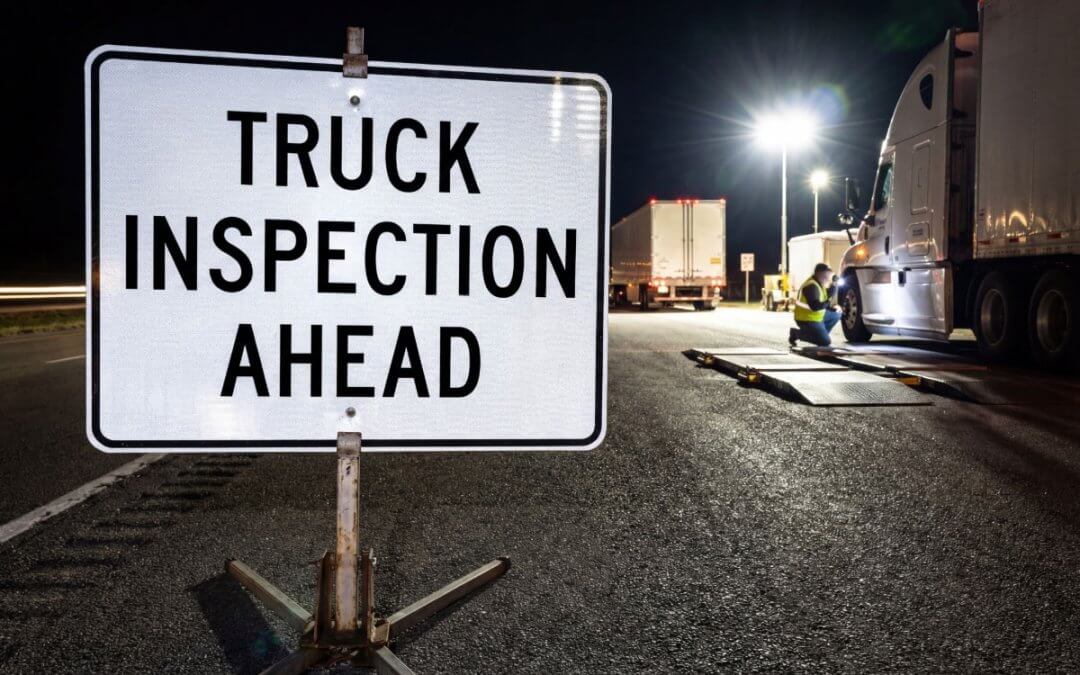
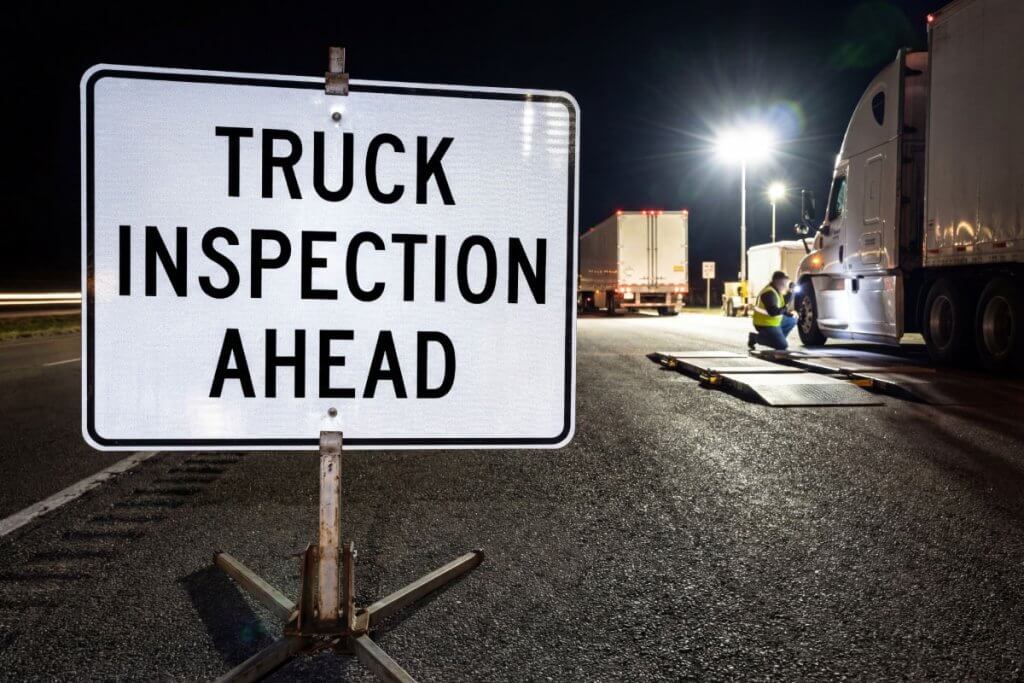
One overlooked maintenance issue during a roadside inspection can quickly lead to an out-of-service violation.
Drivers are often the first line of defense through pre-trip inspections and DVIRs. However, fleets still need strong follow-through processes to prevent small issues from becoming major compliance problems.
Common roadside maintenance violations include:
- Brake system defects
- Tire tread and inflation issues
- Inoperative lights
- Suspension defects
- Load securement concerns
- Missing inspection documentation
Roadside inspections affect more than the driver or vehicle involved that day.
Each inspection contributes to the carrier’s long-term compliance profile.
A pattern of maintenance violations can:
- Increase CSA exposure
- Trigger DOT audits
- Raise insurance concerns
- Impact customer confidence
- Create unnecessary downtime
- Increase operational costs
Without consistent maintenance processes, fleets increase both compliance risk and administrative burden.

What Happens During a DOT Audit
When FMCSA conducts a DOT audit or investigation, maintenance documentation becomes one of the most heavily reviewed areas.
Investigators want to see evidence of a structured fleet maintenance compliance program.
This includes:
- Preventive maintenance schedules
- DVIR documentation
- Proof of repairs
- Annual inspection records
- Maintenance intervals
- Defect correction documentation
- Asset tracking records
- Repair history
One of the biggest audit challenges for fleets is incomplete or disorganized documentation.
Many safety and maintenance teams still rely on:
- Paper files
- Spreadsheets
- Manual reminders
- Disconnected maintenance systems
- Email-based tracking
As fleets grow, these processes become more difficult to manage effectively.
Without centralized visibility, important maintenance deadlines and compliance records can easily fall through the cracks.
Review FMCSA Regulations and Guidance for official compliance information.
Building a Stronger Fleet Maintenance Compliance Program
A strong fleet maintenance compliance program should go beyond simply checking boxes.
Fleets should focus on improving visibility, accountability, and documentation consistency across the organization.
Preventive Maintenance Tracking
Every asset should follow structured maintenance intervals with visibility into upcoming services and repairs.
DVIR Management
Drivers should complete inspections consistently while defects are documented, reviewed, and resolved quickly.
Centralized Documentation
Inspection records, repair history, annual inspections, and compliance documents should remain organized in one accessible location.
Inspection Readiness
Fleets should be prepared to quickly produce maintenance records during audits, roadside inspections, and customer requests.
Technology Integration
Connected fleet technology helps reduce manual tracking while improving visibility across maintenance workflows.
The fleets that perform best in 2026 will not necessarily spend the most on maintenance.
They will build proactive systems that reduce risk before violations occur.
How Technology Improves Fleet Maintenance Compliance
Modern fleet maintenance compliance technology helps carriers move away from reactive maintenance management.
The right systems help fleets:
- Reduce administrative overhead
- Improve maintenance scheduling
- Increase asset visibility
- Track inspections and repairs
- Maintain organized audit-ready records
- Improve communication between teams
- Reduce out-of-service risk
When maintenance workflows become more organized, fleets gain more than compliance protection.
They improve operational efficiency across the entire organization.
Technology is quickly becoming one of the most important tools for fleets looking to simplify compliance and reduce manual processes.
Check out the latest Driving Success Webinar featuring our maintenance and safety partners Whip Around that covers where fleets are most exposed. Watch the webinar here: Driving Success Webinar Series
Evaluate Your Current Maintenance Program
Not sure where your maintenance workflows may be exposing your fleet to risk?
Our team helps fleets identify compliance gaps, reduce administrative overhead, and improve maintenance visibility across their operations.
Whether you manage a small fleet or hundreds of assets, proactive fleet maintenance compliance processes can help prevent costly operational disruptions.
Fleet maintenance compliance is becoming more complex every year. Visit TripDawg to learn how our technology solutions help fleets improve compliance visibility, reduce administrative overhead, and stay audit-ready.

Fleet Compliance, Fleet Management, FMCSA, Uncategorized, VLC
The MOTUS updates 2026 introduce major changes to how carriers manage FMCSA registration access, Login.gov authentication, and account activity. As of May 14, 2026, carriers must take a more proactive approach to account management to avoid registration delays and compliance issues.
FMCSA continues moving toward a centralized digital registration system. Carriers that fail to monitor their accounts risk losing access to important registration tools and records.
Whether you operate a large fleet, manage compliance, or work as an owner-operator, understanding these MOTUS changes is essential.
When does MOTUS Update?
Changes are already here! As of May 14th, 2026 the MOTUS platform has been updated.
What Are the MOTUS Updates 2026?
Federal Motor Carrier Safety Administration introduced MOTUS to modernize the carrier registration process. The platform helps transportation companies manage registration information in a more secure and streamlined environment.
MOTUS allows carriers to:
- Update carrier information
- Manage registration records
- Handle operating authority changes
- Maintain FMCSA account access
- Access USDOT-related information
The system replaces older workflows and supports FMCSA’s long-term modernization goals.

Why the MOTUS Updates Matter for Carriers
Many carriers only access FMCSA systems when they need to file paperwork or update registration details. However, the MOTUS updates 2026 require companies to actively maintain their accounts and login credentials.
Failing to manage account access can lead to:
- Delays in registration updates
- Difficulty accessing carrier records
- Problems updating operating authority
- Loss of access to archived portals
- Administrative delays during audits or compliance reviews
These issues can quickly become serious during time-sensitive situations.
This is especially important during:
- DOT audits
- Insurance updates
- Registration corrections
- Authority changes
- Ownership updates
- Fleet expansions
Carriers that maintain organized digital access are less likely to experience disruptions.
Need help managing your fleet credentials? Learn more about how GW Connect can help.

Login.gov Is Now Essential for FMCSA Access
One of the biggest operational changes tied to MOTUS is the increased reliance on Login.gov authentication.
FMCSA now uses Login.gov as the primary access point for registration management and account security. Carriers should make sure their Login.gov credentials are current and accessible.
Companies should:
- Keep Login.gov accounts active
- Verify contact information regularly
- Limit credential confusion internally
- Store login information securely
- Train staff on multi-factor authentication
Many carriers discover access problems only when urgent registration changes are needed. Proactive account management helps prevent unnecessary delays.
MOTUS Inactivity Deadlines Fleets Need to Know
The MOTUS updates 2026 also introduce stricter inactivity timelines for carrier portals.
FMCSA states that:
- Portals are disabled after 90 days of inactivity
- Accounts are archived after 12 months of inactivity
Carriers that do not routinely access their accounts may lose active portal privileges.
This often creates problems when:
- A registration update is required
- A filing deadline approaches
- A compliance issue appears
- Staff turnover causes credential confusion
- Immediate access restoration is needed
Inactive accounts can create major delays during critical compliance situations.
Carriers No Longer Need the Traditional FMCSA Portal for Some Changes
One of the more significant improvements within MOTUS is the reduced reliance on the traditional FMCSA portal.
Carriers can now manage certain registration activities through more modernized workflows. This helps simplify the process for:
- Updating registration information
- Managing carrier records
- Accessing registration services
- Maintaining compliance visibility
The goal is to reduce dependence on legacy systems while improving usability.
Even with these improvements, carriers still need to maintain accurate records and organized access procedures.
Best Practices for Managing MOTUS Access
Carriers should develop internal procedures to manage MOTUS access proactively.
Recommended best practices include:
- Logging into MOTUS regularly
- Reviewing Login.gov access quarterly
- Keeping contact information updated
- Monitoring inactivity timelines
- Creating internal access procedures
- Reviewing registration records routinely
For fleets with multiple locations or business entities, centralized visibility becomes even more important.
Waiting until a registration issue appears often leads to unnecessary delays and operational stress.
Stay Ahead of FMCSA Registration Changes
The MOTUS updates 2026 reinforce FMCSA’s continued push toward digital registration management and stronger account security.
Transportation companies that actively manage Login.gov access, monitor inactivity timelines, and maintain organized registration records will be better positioned to avoid disruptions.
As FMCSA modernization continues, a proactive approach to fleet management is becoming a critical part of carrier compliance.
For additional guidance, check out our compliance management solutions: GW Connect or DQM Connect.

TripDAWG, Uncategorized
Every year, CVSA Roadcheck brings increased enforcement attention. As a result, fleets quickly see where they are strong and where they need improvement.
For CVSA Roadcheck 2026, ELD tampering is a key focus. Because of this, fleets must ensure their data is accurate and their drivers understand proper usage.
So, what does that mean in practice? More importantly, how can your fleet prepare without adding complexity?
What Is CVSA Roadcheck 2026?
CVSA Roadcheck 2026 is a 72-hour inspection event led by the Commercial Vehicle Safety Alliance. During this time, inspectors across North America conduct roadside checks on drivers and vehicles.
Each year, enforcement highlights a specific focus area. In 2026, inspectors will pay closer attention to ELD usage and potential tampering.
Specifically, they will review:
- Hours of Service (HOS) accuracy
- Proper use of ELD devices
- Signs of incomplete or incorrect records
Although these are not new rules, enforcement becomes stricter during this period. Therefore, even small inconsistencies can lead to violations.
Understanding ELD Tampering Risks
ELD tampering does not always involve intentional misuse. In many cases, it results from incorrect processes or lack of training.
For example, common issues include:
- Incorrect log edits
- Misuse of personal conveyance
- Unrecorded driving time
- Misunderstanding how the system works
Even so, enforcement focuses on accuracy rather than intent. If records do not reflect actual activity, fleets may face violations.
Why Accuracy Matters More Than Intent
Inspectors do not evaluate intent during roadside checks. Instead, they focus on whether logs match real-world activity.
Because of this, small errors can quickly become compliance issues. Therefore, consistent and accurate usage is critical.
Learn how to improve ELD accuracy with TripDawg.
What Is Geotab and How It Supports Compliance
Many fleets ask how to strengthen compliance before Roadcheck. As a result, tools like Geotab often come up in the conversation.
Geotab is a telematics and ELD platform that helps fleets track:
- Hours of Service
- Vehicle movement
- Driver behavior
- Compliance data
However, its value goes beyond basic tracking.
Using Telematics for Better Visibility
When used effectively, telematics systems provide real-time insights.
For example, fleets can:
- Monitor driver activity
- Identify compliance risks early
- Improve safety and efficiency
However, the key is not just having the tool. Instead, success depends on how consistently teams use it.

How to Prepare for Roadcheck Without Overcomplicating It
Preparation does not need to feel overwhelming. In fact, the most successful fleets focus on consistency rather than last-minute fixes.
First, start with driver training.
Drivers should understand:
- How to use ELD devices correctly
- When and how to edit logs
- What compliance expectations look like
Next, focus on visibility.
Ask yourself:
- Are logs reviewed regularly?
- Are issues identified early?
- Are inconsistencies flagged automatically?
Finally, evaluate your technology.
An effective system should be:
- Easy for drivers to use
- Simple for administrators to review
- Built to provide actionable insights
Building Compliance Beyond Roadcheck
Although Roadcheck lasts only 72 hours, compliance is a year-round responsibility.
Therefore, fleets that perform well during inspections typically:
- Invest in ongoing driver training
- Use ELD data proactively
- Work with reliable technology partners
- Continuously improve their processes
Because of this, preparation becomes part of daily operations rather than a one-time effort.
Turning Data Into Action
Data alone does not improve compliance. Instead, teams must use it to drive decisions.
For example, fleets can:
- Identify trends in driver behavior
- Address risks before violations occur
- Improve long-term performance
Explore how to get more value from your data.
Are You Ready for CVSA Roadcheck 2026?
If your fleet had an inspection today, would your data be accurate and complete?
Instead of reacting during Roadcheck, strong fleets prepare in advance. As a result, they approach inspections with confidence rather than uncertainty.
Final Thoughts on CVSA Roadcheck 2026
ELD compliance is not new. However, CVSA Roadcheck 2026 highlights the importance of accuracy and consistency.
The good news is that preparation does not require more work. Instead, it requires better systems and habits.
Focus on:
- Training drivers effectively
- Using the right tools
- Reviewing data consistently
When these elements are in place, compliance becomes easier to manage.
Connect with our team to prepare your fleet for Roadcheck and beyond.

Uncategorized
If you have been searching for a DOT compliance consultant, something probably is not working the way it should. Maybe renewals are harder to track than they should be. Maybe you are not confident everything is covered. Or maybe your current system just is not keeping up anymore.
There is no one-size-fits-all answer — but there is a right fit depending on how you want to run your fleet.
Here are the four most common approaches to fleet compliance solutions, including where each one tends to succeed and where it tends to fall short.
Option 1: Full-Service DOT Compliance Consultant
For many fleets, hiring a consultant feels like the easiest path. Registrations, filings, renewals — all of it gets handed off to a third party. In some cases, this works well, especially for fleets that do not want to manage compliance internally.
Over time, though, a few common challenges tend to surface.
The biggest one is visibility. When everything lives with your consultant, real-time information is hard to access. You may not know what has been filed, what is coming due, or where things stand until you ask — and when you do ask, you are waiting on someone else to respond.
Control becomes limited. Checks and balances become harder to verify. And your compliance process can start to feel like a black box.
Takeaway: Full-service consulting can reduce workload, but it can also reduce visibility and control.

Option 2: Spreadsheets, Outlook Reminders, and Paper Files
On the opposite end of the spectrum is the fully internal approach. Everything is tracked in spreadsheets. Reminders are set in Outlook. Documents are stored in folders — physical or digital.
This works until it does not.
At a certain scale, things start to break down. A renewal gets missed because a reminder did not fire. A document gets lost or saved in the wrong folder. There is no clear audit trail showing what was done and when.
Every update, every check, and every follow-up depends on someone remembering to do it. That is not a system — that is reliance on people.
Takeaway: Manual systems can work early on, but they do not scale and they leave too much room for error.
Option 3: Fleet Compliance Software
This is where many fleets are moving today. Instead of relying on memory or outsourcing everything, they are building systems that provide visibility and control without adding complexity.
With a solution like [GW Connect], everything lives in one place. You can see your entire fleet across multiple DOT numbers, upcoming renewals and deadlines, missing registrations or documentation, and potential issues with tax filings.
Instead of manually tracking everything, the system does the heavy lifting. Reminders are automated. Workflows are structured. And your compliance status is visible in real time.
What makes the difference is not just the technology — it is the foundation behind it. GW Connect is built by industry professionals with over 25 years of DOT fleet compliance and safety experience, which means it reflects how compliance actually works in the real world.
Takeaway: Software solutions create visibility, automate processes, and give you control without relying on memory or outside dependency.
Option 4: The Hybrid Approach — Software Plus a DOT Compliance Consultant
For many fleets, this ends up being the sweet spot.
You get the structure and visibility of a software platform combined with the expertise of a DOT compliance consultant when you need it. Instead of handing everything off, you stay in control of your system. You can see what is happening, track compliance in real time, and rely on automation to handle the day-to-day work.
Utilizing GW Connect and VLC’s team of DOT Compliance and Fleet registration experts, can provide the visibility fleets want with that helping hand when needed.
When questions come up or when you need support, experienced consultants are still accessible. The difference is that they are supporting your system — not replacing it. There is no locked gate, no waiting for updates, and no loss of visibility.
Takeaway: The hybrid model combines control and expertise, giving you the best of both without the trade-offs.
Which Option Is Right for Your Fleet?
It comes down to one question: how much control do you want over your fleet’s compliance?
If you are comfortable handing everything off and not seeing the details, a full-service consultant might work. If your operation is small and manageable, spreadsheets might get you by for now.
But if you are looking for visibility across your entire fleet, confidence that nothing is being missed, automation that reduces manual work, and access to real industry expertise, a software-driven or hybrid approach is usually the better long-term fit.
Final Thoughts on Fleet Compliance
Compliance is not just about getting things done. It is about knowing — at any given moment — where your fleet stands.
That is hard to do when you cannot see the full picture, when you are relying on manual processes, or when everything is sitting with someone else.
Ask yourself:
- Do you want more control over your fleet?
- Are manual reminders causing problems?
- Are you confident nothing is being missed?
- Or are you constantly double-checking just to be sure?
If any of those hit home, it may be time to rethink your approach.
If you are ready to explore a better way to manage compliance — with visibility, automation, and expert support — connect with the VLC team.

Uncategorized
Operating a commercial vehicle in California requires more than a federal DOT number. A California Motor Carrier Permit is one of the most important compliance requirements for carriers operating in the state, and getting it wrong can stop your trucks from moving entirely.
California has some of the most complex motor carrier regulations in the country. Furthermore, with increased scrutiny around non-domiciled carriers and CARB compliance, getting it right the first time has never been more critical.
What Is a California Motor Carrier Permit?
A California Motor Carrier Permit, commonly referred to as an MCP, is required for most motor carriers operating commercial motor vehicles in California. Specifically, you likely need an MCP if you transport property in California, operate vehicles over 10,000 pounds GVWR, use commercial vehicles for hire, or operate intrastate within California.
It is important to note that a USDOT number does not replace the California Motor Carrier Permit requirement. Even carriers with an active federal DOT number must obtain an MCP before operating legally in the state.

Do You Need a CA Number If You Already Have a DOT Number?
This is one of the most common questions fleets ask, and the answer is yes. Your USDOT number is a federal identifier. Your CA number is a California-specific identification number, and the two serve different purposes.
If you operate intrastate in California, a CA number must be obtained before your MCP application can move forward. Many carriers assume their DOT number alone is sufficient. Unfortunately, that assumption leads to delayed applications and outright rejections.
The Most Common California Motor Carrier Permit Mistakes
Fleets make the same errors repeatedly when applying for a California MCP. Understanding these mistakes in advance can save significant time and prevent costly delays.
Confusing Expiring and Non-Expiring Permits
California MCPs are issued as either one-year expiring permits or non-expiring permits. Carriers often assume that a non-expiring permit requires no ongoing maintenance. That assumption is incorrect.
Insurance filings, workers’ compensation coverage, and compliance status must remain active at all times. If any of these lapse, your permit can be suspended even if it does not expire annually.
Not Securing a CA Number First
Your CA number must be issued before your MCP application can move forward. Submitting incomplete documentation or skipping this step delays the process and can affect your ability to operate legally in California.
Skipping EPN Account Enrollment
California requires motor carriers to enroll in the Employer Pull Notice program, known as EPN, through the DMV. The EPN system monitors driver license status and notifies employers of suspensions or updates. Enrollment is mandatory. Failure to establish and maintain an EPN account can directly jeopardize your MCP.
Overlooking Insurance Filing Requirements
Your insurance provider must file the correct forms with the California DMV. Incorrect or delayed filings are among the most common causes of permit suspension. Therefore, confirming that your provider has filed correctly is an essential step in the process.

California Is Tightening Enforcement for Motor Carriers
Operating in California has always required navigating stricter rules than most other states. Recently, however, the compliance environment has become even more demanding in two specific areas.
Non-Domiciled Carrier Regulations
California has increased scrutiny on carriers operating within the state without proper registration or domicile documentation. If your company is based out of state but operates in California, compliance requirements become significantly more critical to manage correctly.
CARB Compliance Regulations
The California Air Resources Board, known as CARB, enforces emissions compliance rules that affect commercial vehicles operating in the state. CARB non-compliance can prevent registration, block renewals, lead to penalties, and delay operations. When CARB issues intersect with MCP or registration filings, the result creates additional obstacles for fleets trying to stay operational.
Read our CARB compliance blog.
Why California Compliance Feels So Complex
California motor carrier compliance is not just one requirement. Instead, it is the layering of multiple obligations that must all be active simultaneously. Federal DOT compliance, CA number requirements, MCP filings, EPN enrollment, insurance filings, CARB regulations, and ongoing monitoring all apply at once.
One missing piece can stop the entire process. And when a permit is delayed or suspended, your trucks do not move.
Frequently Asked Questions About California Motor Carrier Permits
How long does it take to get a California Motor Carrier Permit? Processing times vary. However, incomplete applications significantly delay approval and should be avoided at all costs.
Can I operate in California without an MCP? No. If you meet the criteria requiring an MCP, operating without one can result in citations and enforcement action.
Does a USDOT number cover California intrastate operations? No. Intrastate operations in California typically require both a CA number and an MCP.
What happens if my California MCP is suspended? Your authority to operate can be revoked until all compliance issues are fully resolved.
Get Your California Motor Carrier Permit Right the First Time
California compliance is not impossible, but it does require precision. Understanding when you need a CA number, which MCP category applies to your operation, how to maintain EPN enrollment, and how CARB compliance affects your registration are all essential pieces of the process.
At Vehicle Licensing Consultants, we have spent over 25 years helping carriers navigate California motor carrier permits, DOT numbers, and state-specific regulations. If you need help determining whether you need an MCP, how to apply for a CA number, why your MCP was denied or suspended, or how CARB regulations may affect your fleet, our team can walk you through the process clearly and correctly.
Because in California, compliance is not optional. And guessing is not worth the risk.
Check out our MCP guide : https://im4trux.com/resources/

Uncategorized, VLC
If you operate a commercial fleet, understanding your CSA score is essential for maintaining compliance and protecting your business. These scores influence DOT audits, roadside inspections, insurance rates, and how the industry views your fleet.
Because of this impact, many carriers ask, “What is my CSA score?” or “How can I improve my CSA score?” Fortunately, fleets can measure, track, and improve these scores with the right strategy and tools.
What Is an SMS Score?
The Safety Measurement System (SMS) is the FMCSA’s method for evaluating a motor carrier’s on-road safety performance. The system calculates SMS scores using data from several sources.
Specifically, SMS data includes:
The FMCSA groups this information into Behavior Analysis and Safety Improvement Categories (BASICs). As a result, carriers and regulators can identify safety trends over time rather than focusing on single events.
What Is a CSA Score?
CSA stands for Compliance, Safety, Accountability. This FMCSA program uses SMS data to prioritize carriers for interventions, including DOT audits and compliance reviews.
Although carriers commonly use the term “CSA score,” it usually refers to how a fleet performs within SMS BASIC categories compared to similar carriers. Therefore, CSA scores reflect relative performance rather than a single numerical grade.
What Is My CSA Score and Where Can I Find It?
Carriers can view SMS and CSA score data through the FMCSA Safety Measurement System portal. This portal provides visibility into:
-
BASIC category performance
-
Inspection and violation history
-
Crash trends
-
Safety improvement patterns
By reviewing CSA score data regularly, fleets can stay proactive. As a result, they avoid surprises during audits and inspections.
Why CSA and SMS Scores Matter
A CSA score affects more than regulatory oversight. In fact, strong or weak scores influence several areas of fleet operations.
For example, CSA performance impacts:
-
DOT audit selection and frequency
-
Roadside inspection scrutiny
-
Insurance premiums and renewals
-
Broker and shipper relationships
-
Overall industry reputation
Poor SMS performance signals risk. However, improving scores demonstrate accountability and a commitment to safety.
DOT Audits and Roadside Inspections Play a Role in Improvement
DOT audits and roadside inspections often feel disruptive. However, they support CSA score improvement when fleets perform well.
Each roadside inspection adds data to a carrier’s SMS record. Clean inspections, therefore, contribute positive data to a fleet’s compliance history.
More compliant inspections help fleets:
Avoiding inspections does not improve a CSA score. Instead, consistent performance during inspections drives improvement.
How to Improve Your CSA Score
CSA score improvement requires consistency, documentation, and visibility across fleet operations. While there is no quick fix, several proven steps support long-term improvement.
Identify and Address Root Causes
Repeated violations often point to process gaps. For example, incomplete driver files or maintenance issues frequently trigger inspection findings.
Strengthen Driver Qualification and Training
Accurate driver records and ongoing education reduce violations and out-of-service events.
Prioritize Preventative Maintenance
Preventative maintenance programs lower vehicle-related violations and improve inspection outcomes.
Monitor Inspection Data Regularly
Regular reviews allow teams to address issues early. Consequently, fleets avoid reactive fixes during DOT audits.
Additional resources are available on our resource page.
How Technology Supports CSA Score Improvement
Technology plays a critical role in improving SMS performance when fleets use it strategically.
For example, fleets benefit from:
-
Scale bypass tools that reduce unnecessary stops while preserving inspection history
-
ELD and telematics systems that reveal risky patterns beyond Hours of Service
-
Centralized compliance platforms that keep driver and vehicle records audit-ready
Together, these tools save time, improve documentation, and support faster corrective action.
Looking for technology suggestions? Our team is here to build the best safety technology package for your fleet! Let’s connect today!
A Strong CSA Score Builds Industry Trust
Fleets that improve SMS and CSA scores often experience measurable benefits.
These benefits include:
-
Fewer roadside inspection disruptions
-
Stronger relationships with enforcement agencies
-
Increased confidence during DOT audits
-
Greater credibility with brokers and shippers
Ultimately, CSA score improvement strengthens both compliance and reputation.
How Vehicle Licensing Consultants Helps Fleets Improve CSA Scores
At Vehicle Licensing Consultants, we help fleets understand what their SMS and CSA scores mean and how to improve them. Our team identifies compliance gaps and implements strategies that support long-term safety success.
By combining regulatory expertise, process oversight, and time-saving technology, fleets can turn CSA data into a competitive advantage. Learn more about how VLC can help!