
Focus
Welcome to part 35 of our VLCeed series. This is another video in the series and is called “Focus” … Enjoy!
Welcome to part 35 of our VLCeed series. This is another video in the series and is called “Focus” … Enjoy!
What You Need to Know About IRP Registration Services
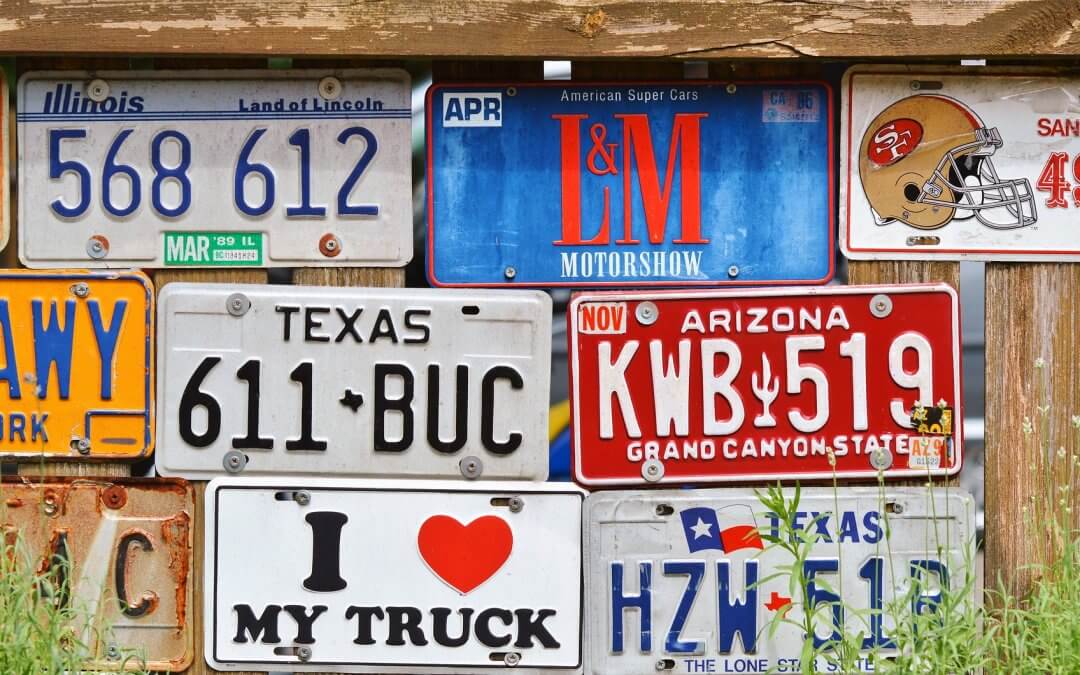
If you plan to run an interstate shipping business or do runs between the US and Canada, you need IRP registration services.
The IRP – the International Registration Plan for Trucking – is an agreement between the 50 US states as well as Canadian provinces which allow registered trucks to complete shipments across state and country borders, without having to register separately in every jurisdiction. One registration allows for full access, and it’s an absolute requirement if you’re going to run an interstate or international shipping operation.
While you can theoretically handle the paperwork yourself, it’s much easier to simply hire IRP registration services to do the work for you. Here are the basics you should know.
I. Who Has to Register With The IRP?
You will need to register if the following apply to you:
The only exceptions are for government vehicles, and for chartered passenger buses.
II. What Does an IRP Registration Cost?
The costs fluctuate depending on where your vehicles will be driving, and how many miles, so it’s difficult to provide a single cost estimate. The fees are apportioned so that each state/province receives a cut, based on how much time the vehicle spends in each area. So, for example, if 50% of your drive time is in California, 50% of the fees you pay will go to California – but the exact amount depends on mileage and hours.
This is one of the areas where IRP registration services can help you calculate and understand your fees before getting hit with any unexpected surprises.
III. What Is Needed for IRP Registration?
The process is fairly complicated, unfortunately, although it’s necessary to ensure that every jurisdiction is represented fairly. Here’s a quick breakdown of the necessities:
1 – A home base
You must have a registered headquarters with a physical address, phone number, etc. The state your headquarters is located in will determine which exact procedures and processes you have to follow when registering. You’ll also need to provide the names of people conducting business at that location, as well as making operational records available if requested.
2 – A USDOT number
USDOT numbers are utilized by the Federal Motor Carrier Safety Administration to track commercial vehicles on the road and would be obtained from them.
3 – FMCSA authorization
This is the authorization that explicitly permits vehicles to operate outside the borders of the state you’re registered in. It comes from the Federal Motor Carrier Safety Administration.
4 – An IFTA permit
The International Fuel Tax Association standardizes fuel use reporting, and associated fees, which is part of the overall structure ensuring each jurisdiction you drive through is compensated. Each state has its own IFTA office.
5 – Various DMV forms
If you’re registering a new business, you’ll need to fill out a Schedule A/E as well as a Schedule B. Changing an existing account, such as updating your headquarters address, requires a Schedule C. Adding jurisdictions to your existing registration also calls for a Schedule F.
Along with your local DMV/DPS, these forms are also commonly available from your state’s IRP office.
IV. Obtaining Plates and Renewals
Once all the bureaucratic processes are fulfilled, particularly the IRP and IFTA accounts, you’ll be able to receive your IRP plate. This plate is specifically for the power unit (i.e., the engine) of your vehicle.
Along with the plate, you’ll also receive an Apportioned Cab Card which lists all the jurisdictions you’re licensed to operate in.
The decals for your registrations should be placed on the lower right corner of the front registration plate. If you’re registering trailers as well, you’ll receive a separate decal for each plate.
Whenever you renew these plates, you’ll need to provide detailed operating information so that your per-jurisdiction fees can be properly calculated. The deadlines and procedures for renewal will depend on which state you’re registered in.
VLC Makes Vehicle Licensing Easy
If it sounds like a lot of work obtaining and maintaining your IRP registration – it is. That’s why shipping companies commonly turn to IRP registration services to streamline the process.
Vehicle Licensing Consultants (VLC) specialize in making this process easy. For over fifty years, we’ve focused on enabling shipping companies to complete their necessary registrations with minimal hassle and help them maintain all their permits to ensure no unexpected problems arise.
If you’re looking to build or expand your shipping operations, VLC can help! Contact us to learn more.

The Most Important Criteria When Choosing Fleet Dispatch Software
Your fleet dispatch software is at the heart of your trucking operation – and it’s a good idea to periodically re-evaluate whether it’s time to upgrade. New features and options are added to dispatch software every year, making them increasingly useful for reducing costs and improving efficiency.
If it seems like your current fleet dispatch software isn’t doing its job as well as it should, here are some key considerations when looking at an upgrade.
Four Features You Want in A New Fleet Dispatch Software Package
1 – End to end vehicle and cargo tracking
Your dispatch software shouldn’t only track vehicles on the road. It should be able to collect and analyze data for the entire job, from start to finish. This would include loading and unloading times, tracking paperwork, and analyzing the driver’s overall efficiency on the road. These metrics give you a wealth of information for intelligently optimizing your operations.
2 – Scalability
Older software packages often struggle to scale upwards as your fleet grows. This is one of the most common reasons people upgrade their software systems. You should look for a software package that will be able to grow alongside your business, potentially capable of managing hundreds or thousands of vehicles, for the best long-term returns on your investment.
3 – Better paperwork/bureaucratic processing
You should be spending as little time as possible doing paperwork and navigating red tape. The best dispatch software packages integrate features that streamline – or even entirely automate – reporting and other bureaucratic necessities. This can greatly reduce the amount of time you and your staff spend on paperwork, allowing you to focus on more important matters.
4 – Faster adaptation to changing circumstances
Nothing is ever guaranteed on the road. If there’s a big traffic jam in front of your driver, would you be able to spot it and re-route them before they become trapped? If a dangerous storm is coming, can you route them around its expected path? Good software systems include monitoring of on-road conditions and can be set up to alert you to potential problems before they cause delays.
Vehicle Licensing Consultants (VLC) Makes Fleet Management Easier
VLC specializes in hardware and software combinations that make life easier for fleet managers. Our highly scalable solutions can monitor your vehicles’ on-road performance in highly granular detail, providing the data and tools needed to substantially reduce costs and improve efficiency. Click here to contact us and learn more.
How You Benefit from Vehicle Telematics in Your Trucks
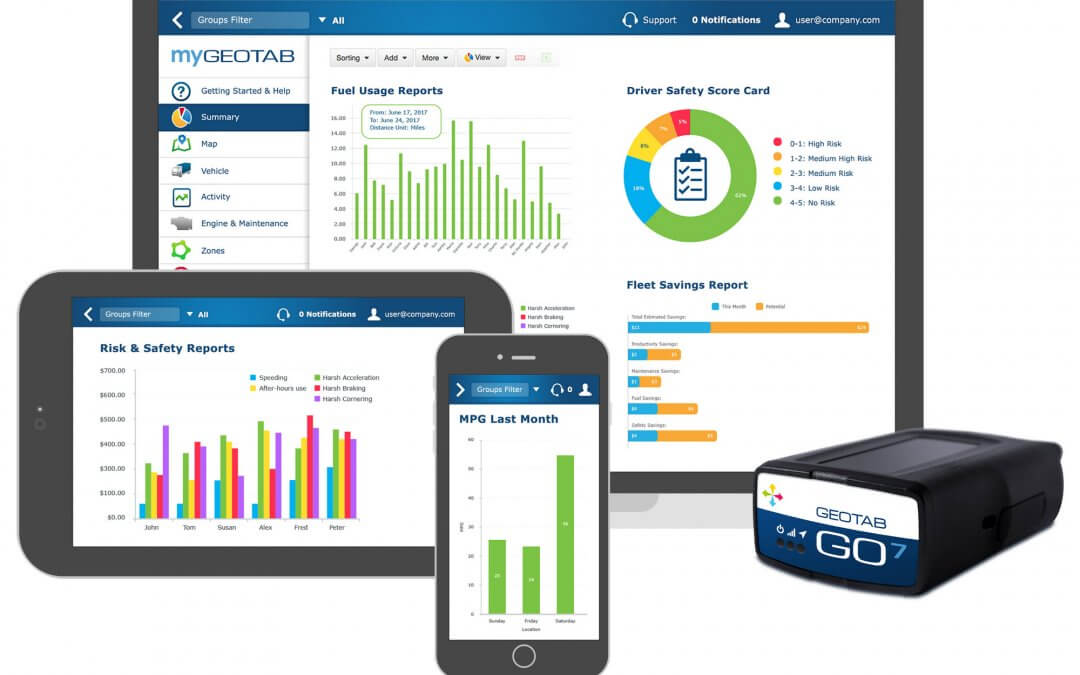
If you’re looking to improve your fleet operations, increase efficiency, or prevent unnecessary breakdowns, there are few upgrades that will bring more benefits than vehicle telematics. Chances are you already, at least, have GPS trackers in all your trucks – but modern telematic solutions can provide you with so much more data, especially when they’re combined with modern fleet management software.
In short, modern vehicle telematic systems can take every bit of data generated by your trucks’ onboard computers and sensors and send it to a central software hub for analysis. You don’t just monitor the trucks as a whole; you monitor them at a component level. This brings huge cost-saving benefits which are particularly important right now, as operating costs continue to rise.
For example…
Engage In Better Preventative Maintenance
When a vehicle breaks down, the total costs to your operation are much higher than just the cost of repairs. Shipments will be delayed, customers could be upset, and any other areas of your business that rely on that vehicle will also suffer.
With better vehicle telematics, you can track the efficiency of every component on the vehicle. You’ll also have access to servicing information via your software, and even expected lifespans for each component. This allows you to engage in smart targeted preventative maintenance which can significantly reduce unnecessary repairs.
Cut Fuel Costs
Fuel prices are surging due to a wide variety of factors, and there’s very little that an individual fleet manager can do to reduce those fuel costs. So, the best option is to make your fleet as well-optimized as possible, to reduce fuel use overall. With telematics, this can be achieved in two different ways:
First, those preventative maintenance features can also be used to monitor efficiency in systems such as the transmission and brakes, which can increase fuel use if they’re poorly maintained. Also, you’ll be able to directly monitor driver behaviors and coach them to reduce bad habits – such as accelerating or braking too quickly – which waste fuel.
Improve Regulatory Compliance
Are your trucks all fully within relevant regulations, such as anti-pollution regulations? Are your drivers properly following laws regarding on-road time and off-time? Better vehicle telematics make it easier to track such things and spot any problems before regulators or police notice. This can reduce money lost to preventable violations.
Vehicle Licensing Consultants specializes in helping trucking companies improve efficiency while reducing costs. Click here to learn more about our services.

Why Invest In A Software Fleet Management Solution
Chances are, you’re already using some sort of software to manage your working vehicle fleet – but if you aren’t using a dedicated fleet management solution, you may be missing out. Modern fleet management software is easy, convenient, and allows you to streamline nearly every aspect of vehicle monitoring and upkeep into a single screen.
The upgrade costs are minimal, and they’ll pay off with lowered TCO and improved efficiency across your fleet. These are just some of the benefits you may see.
Four Big Benefits to a New Software Fleet Management Solution
1 – Track your entire fleet in one overview screen
Fleet management software can tie directly into your vehicles’ GPS units and other trackers, allowing you to see every vehicle you have on a single map. From there, you can drill down to see specifics on every individual vehicle, from performance statistics to expected lifespan on every key component. It’s never been easier to get an at-a-glance overview of your entire fleet at once.
2 – Improve driver safety and road regulation compliance
Are your drivers properly following the rules of the road? Even relatively minor infractions such as chronic speeding or failing to stop properly at railroad crossings can cause significant extra risk in the long run. Depending on what tech you have in the cabs, you can potentially even monitor the drivers themselves, such as eye-tracking cameras that measure how often they’re blinking – looking out for signs that they’re driving while sleep-deprived.
You’ll be able to keep an eye on your drivers’ behavior, and even record runs in progress, for improvement coaching once they get back home.
3 – Improve fuel efficiency
With gas and diesel prices skyrocketing, you should be doing everything possible to improve fuel efficiency. Today’s fleet management solutions give you highly granular insight into each vehicle’s on-road performance. Besides highly accurate MPG tracking, you’ll also see if driver behaviors are contributing to fuel waste, such as unnecessary idling or overuse of cruise control or auto navigation features.
4 – Stay on top of maintenance
Preventative maintenance is far more cost-efficient than allowing vehicles to break down. The software can track a vehicle’s overall maintenance status, as well as tracking each component – when it was last serviced, and what its expected lifespan is. This makes it far easier to prevent breakdowns before they happen.
Get Fleet Management Solutions
Our team at Vehicle License Consultants (VLC) specializes in providing cutting-edge software solutions to the trucking industry. Contact us to learn more.