
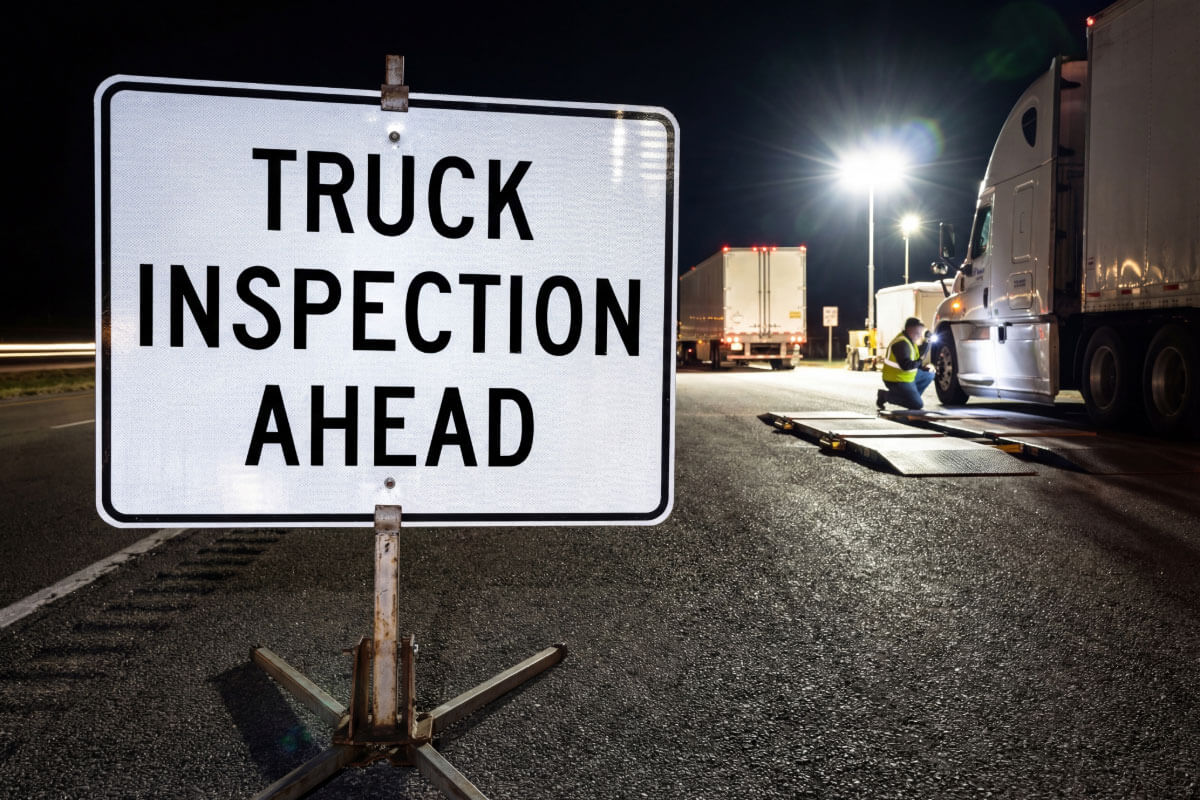
Fleet maintenance compliance is becoming one of the biggest operational risk areas for transportation companies in 2026. With upcoming SMS changes, increased roadside enforcement, and greater scrutiny around maintenance documentation, fleets can no longer afford to treat maintenance as a reactive process.
Why Fleet Maintenance Compliance Matters More Than Ever
Federal Motor Carrier Safety Administration continues refining how safety performance is evaluated through the Safety Measurement System (SMS).
Maintenance-related violations remain one of the largest contributors to elevated carrier risk profiles.
The Vehicle Maintenance BASIC already plays a major role in fleet monitoring. Many industry experts expect maintenance violations and inspection trends to receive even greater attention moving into 2026.
Fleets with recurring issues involving:
- Brake violations
- Tire defects
- Lighting violations
- Missing maintenance documentation
- Overdue inspections
- Incomplete DVIR follow-up
- Poor preventive maintenance tracking
may experience increased scrutiny from enforcement agencies, insurers, and customers.
Even a small pattern of roadside maintenance violations can negatively impact a fleet’s overall safety profile.
Learn more about Fleet Compliance Solutions and DOT Compliance Services.
How Fleet Maintenance Compliance Impacts Roadside Inspections
One overlooked maintenance issue during a roadside inspection can quickly lead to an out-of-service violation.
Drivers are often the first line of defense through pre-trip inspections and DVIRs. However, fleets still need strong follow-through processes to prevent small issues from becoming major compliance problems.
Common roadside maintenance violations include:
- Brake system defects
- Tire tread and inflation issues
- Inoperative lights
- Suspension defects
- Load securement concerns
- Missing inspection documentation
Roadside inspections affect more than the driver or vehicle involved that day.
Each inspection contributes to the carrier’s long-term compliance profile.
A pattern of maintenance violations can:
- Increase CSA exposure
- Trigger DOT audits
- Raise insurance concerns
- Impact customer confidence
- Create unnecessary downtime
- Increase operational costs
Without consistent maintenance processes, fleets increase both compliance risk and administrative burden.

What Happens During a DOT Audit
When FMCSA conducts a DOT audit or investigation, maintenance documentation becomes one of the most heavily reviewed areas.
Investigators want to see evidence of a structured fleet maintenance compliance program.
This includes:
- Preventive maintenance schedules
- DVIR documentation
- Proof of repairs
- Annual inspection records
- Maintenance intervals
- Defect correction documentation
- Asset tracking records
- Repair history
One of the biggest audit challenges for fleets is incomplete or disorganized documentation.
Many safety and maintenance teams still rely on:
- Paper files
- Spreadsheets
- Manual reminders
- Disconnected maintenance systems
- Email-based tracking
As fleets grow, these processes become more difficult to manage effectively.
Without centralized visibility, important maintenance deadlines and compliance records can easily fall through the cracks.
Review FMCSA Regulations and Guidance for official compliance information.
Building a Stronger Fleet Maintenance Compliance Program
A strong fleet maintenance compliance program should go beyond simply checking boxes.
Fleets should focus on improving visibility, accountability, and documentation consistency across the organization.
Preventive Maintenance Tracking
Every asset should follow structured maintenance intervals with visibility into upcoming services and repairs.
DVIR Management
Drivers should complete inspections consistently while defects are documented, reviewed, and resolved quickly.
Centralized Documentation
Inspection records, repair history, annual inspections, and compliance documents should remain organized in one accessible location.
Inspection Readiness
Fleets should be prepared to quickly produce maintenance records during audits, roadside inspections, and customer requests.
Technology Integration
Connected fleet technology helps reduce manual tracking while improving visibility across maintenance workflows.
The fleets that perform best in 2026 will not necessarily spend the most on maintenance.
They will build proactive systems that reduce risk before violations occur.
How Technology Improves Fleet Maintenance Compliance
Modern fleet maintenance compliance technology helps carriers move away from reactive maintenance management.
The right systems help fleets:
- Reduce administrative overhead
- Improve maintenance scheduling
- Increase asset visibility
- Track inspections and repairs
- Maintain organized audit-ready records
- Improve communication between teams
- Reduce out-of-service risk
When maintenance workflows become more organized, fleets gain more than compliance protection.
They improve operational efficiency across the entire organization.
Technology is quickly becoming one of the most important tools for fleets looking to simplify compliance and reduce manual processes.
Check out the latest Driving Success Webinar featuring our maintenance and safety partners Whip Around that covers where fleets are most exposed. Watch the webinar here: Driving Success Webinar Series
Evaluate Your Current Maintenance Program
Not sure where your maintenance workflows may be exposing your fleet to risk?
Our team helps fleets identify compliance gaps, reduce administrative overhead, and improve maintenance visibility across their operations.
Whether you manage a small fleet or hundreds of assets, proactive fleet maintenance compliance processes can help prevent costly operational disruptions.
Fleet maintenance compliance is becoming more complex every year. Visit TripDawg to learn how our technology solutions help fleets improve compliance visibility, reduce administrative overhead, and stay audit-ready.