

The FMCSA has released the top five vehicle inspection violations of 2025, and they carry a clear message for fleets for the rest of 2026. None of these FMCSA vehicle inspection violations involve complicated mechanical failures. In fact, every single one should be caught during a proper pre-trip or post-trip inspection.
So why do they continue to top the list year after year?
The Top 5 FMCSA Vehicle Inspection Violations of 2025
According to FMCSA data, the five most cited vehicle inspection violations of 2025 are missing periodic inspection paperwork, brakes out of adjustment, required lights not working, tires leaking or underinflated, and identification lights not working.
These are not hidden defects. They are visible, preventable, and fixable issues that drivers encounter every day. As a result, the real question is not whether drivers know about them. The real question is why they are still happening.

Why Aren’t Drivers Completing DVIRs Properly?
A question fleets frequently ask is whether drivers are required to complete a DVIR after each trip. Under FMCSA regulations, drivers must complete a Driver Vehicle Inspection Report at the end of each day’s work when a defect is found. Furthermore, fleets must ensure all identified issues are corrected before the vehicle operates again.
Even when no defects are present, a thorough pre-trip inspection remains critical. It is the frontline defense against out-of-service violations.
The data tells us something important: the issue is not awareness. It is execution.
Learn more about The TripDawg difference for Fleet Management.
Why Drivers Rush Through Inspections
Drivers are not skipping inspections because they are indifferent to safety. Instead, they are managing competing pressures every day. Delivering freight on time, staying within hours of service limits, keeping dispatch satisfied, and managing tight schedules all demand attention simultaneously.
When the technology required for DVIRs is slow, outdated, or buried inside a clunky workflow, inspections become something drivers click through rather than actually perform. As a result, compliance becomes a box to check rather than a habit to build.
When DVIRs turn into rushed taps on a screen, small defects go unnoticed. Those defects then become roadside violations. Moreover, those violations lead to out-of-service events, increased SMS scores, higher insurance premiums, and lost revenue from parked equipment.
What Makes a Good DVIR Solution?
Fleets actively searching for DVIR solutions should look for specific qualities before making a decision. A good DVIR solution is fast and intuitive, mobile-friendly, easy to complete in minutes, integrated with existing fleet technology, clear about required steps, and designed with the driver experience in mind.
If drivers dread opening the inspection app, that is a clear warning sign. If safety managers spend hours chasing incomplete inspections, that is another. A driver-friendly platform increases completion rates, improves inspection quality, and reduces preventable FMCSA vehicle inspection violations.
DVIRs Are Part of a Larger Fleet Technology Ecosystem
DVIRs do not exist in isolation. Instead, they function as one part of a larger driver technology ecosystem that includes ELD, telematics, messaging, safety cameras, and compliance workflows. When those tools do not work together, or worse, frustrate drivers, the breakdown shows up directly in inspection data.
Fleets that succeed in 2026 will not simply be compliant. They will be strategic. They will understand that compliance improves when drivers have tools that support their workflow rather than slow it down.
Every 2025 Violation Was Preventable
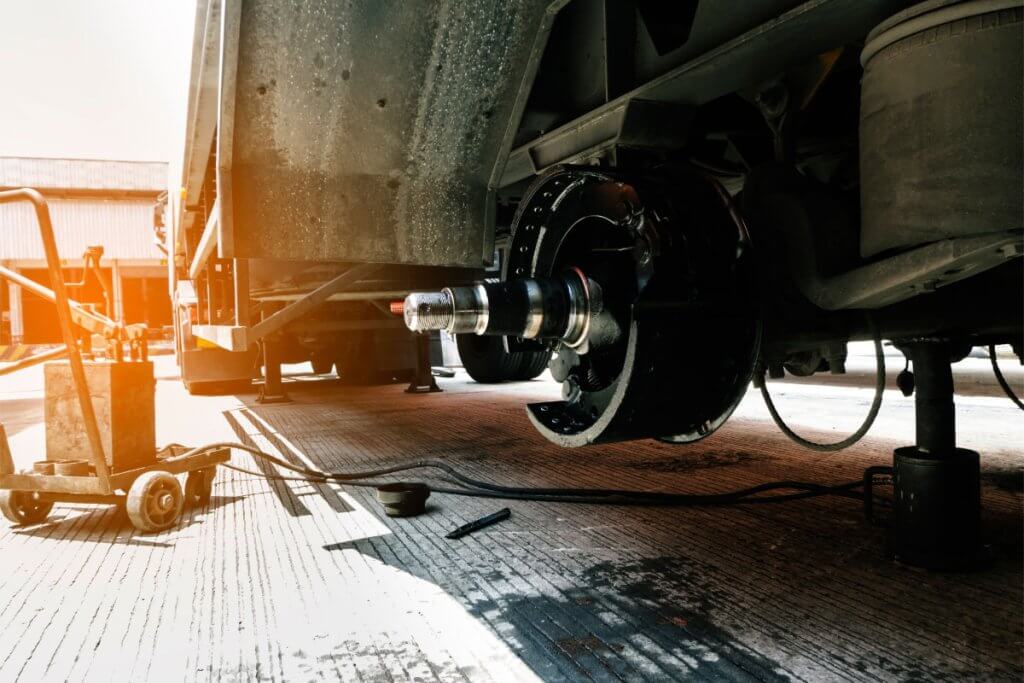
Looking at the top five violations again makes the opportunity for improvement clear. Missing periodic inspection paperwork is a documentation tracking issue. Brakes out of adjustment are detectable during a standard inspection. Required lights not working are visible before departure. Tires leaking or underinflated are measurable in seconds. Identification lights not working are easily identified during a walkaround.
Every one of these issues can be caught during a thorough pre-trip and post-trip DVIR. As a result, the path to improvement is not mechanical. It is behavioral and technological.
How to Reduce FMCSA Vehicle Inspection Violations in 2026
If drivers rush through inspections because the process feels like friction, discipline alone will not solve the problem. Better systems will. Driver-friendly technology reduces skipped steps. Integrated platforms reduce double data entry. Clear workflows increase accountability across the fleet.
When compliance feels seamless, it actually happens consistently.
Build a Fleet Technology Stack That Works for Your Drivers
At TripDAWG, we believe safety and compliance should feel natural, not forced. Working with a driver-friendly DVIR solution and an integrated fleet technology stack is critical to long-term success.
If your inspection data shows gaps, if your drivers are rushing through reports, or if your safety managers are spending too much time correcting preventable issues, it may be time to rethink your tools. Our team of fleet technology specialists can help you build a solution that meets the needs of your safety managers and the drivers who rely on it every day.
Because when compliance is easy, your fleet stays moving.