Fleet Management
How Data-Based Fleet Maintenance Management Improves Your Operations
When looking to reduce the costs of a working vehicle fleet, it’s all about preventative care. Fleet maintenance management which is focused on preventing breakdowns and other problems will ultimately pay off by significantly reducing ongoing costs, preventing work stoppages, and of course, helping protect your drivers and operators.
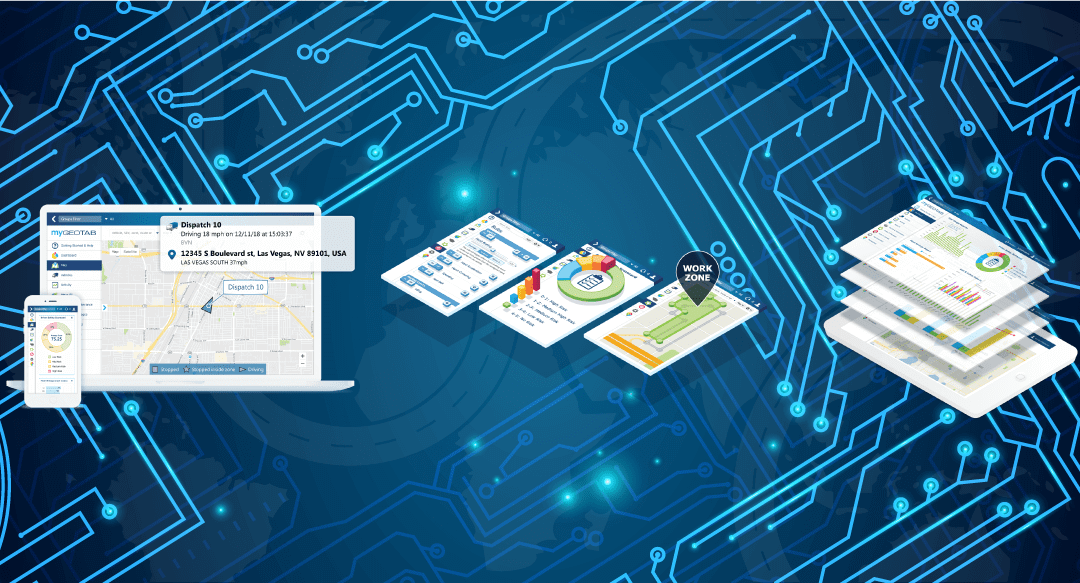
Today, it’s easier than ever with data-based systems. A combination of real-time sensors on the vehicle and computer software collating the data allows you to see vehicle performance stats at a truly granular level. This makes preventative maintenance far easier to accomplish, while further improving your cost savings!
Four Ways Data-Based Fleet Maintenance Management Prevents Needless Costs
1 – Smart alerts
If a particular vehicle is due for an oil change, how would you know? Are the brakes on a vehicle within their operational lifespan, or have they passed the expected EOL? These sorts of issues could require a lot of time and attention to keep on top of – except now because software can do it for you. Modern fleet management systems can store purchase dates, maintenance records, end-of-warranty information, and more – sending you alerts whenever a needed bit of maintenance is coming up.
2 – Tracking tire pressure and status
Modern vehicles are able to closely monitor the status and performance of their tires, and that translates into highly useful data for you! You’ll be able to see tire pressure and tire age for every vehicle, which can also be cross-referenced with other statistics such as acceleration and braking times. Combined, this means you’ll know exactly which tires are beginning to underperform, allowing you to repair or replace them before they become unreliable.
3 – Prevent regulatory woes
Numerous aspects of your vehicles must be officially inspected and\or certified. Keeping up with those can be another major headache. However, this is another area where fleet maintenance management software shines. It can keep track of the legal side of fleet management, and ensure you know whenever a vehicle is in danger of non-compliance.
4 – Protect your drivers on the road
A smart vehicle monitoring system receives updates in real-time. That means you could potentially become aware of a problem on the road, such as low fluids before the driver even notices. So, even more problems can be avoided while keeping your drivers safe from accidents.
Vehicle Licensing Consultants (VLC)
VLC has years of experience making it easier for fleet managers to oversee and maintain their fleet! Click here to learn more about our services.

Fleet Management
Why Invest In A Software Fleet Management Solution
Chances are, you’re already using some sort of software to manage your working vehicle fleet – but if you aren’t using a dedicated fleet management solution, you may be missing out. Modern fleet management software is easy, convenient, and allows you to streamline nearly every aspect of vehicle monitoring and upkeep into a single screen.
The upgrade costs are minimal, and they’ll pay off with lowered TCO and improved efficiency across your fleet. These are just some of the benefits you may see.
Four Big Benefits to a New Software Fleet Management Solution
1 – Track your entire fleet in one overview screen
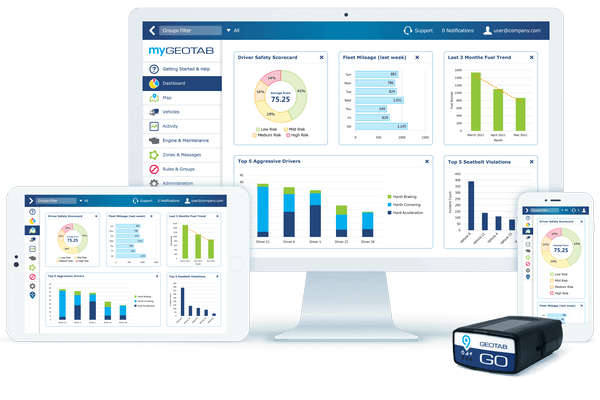
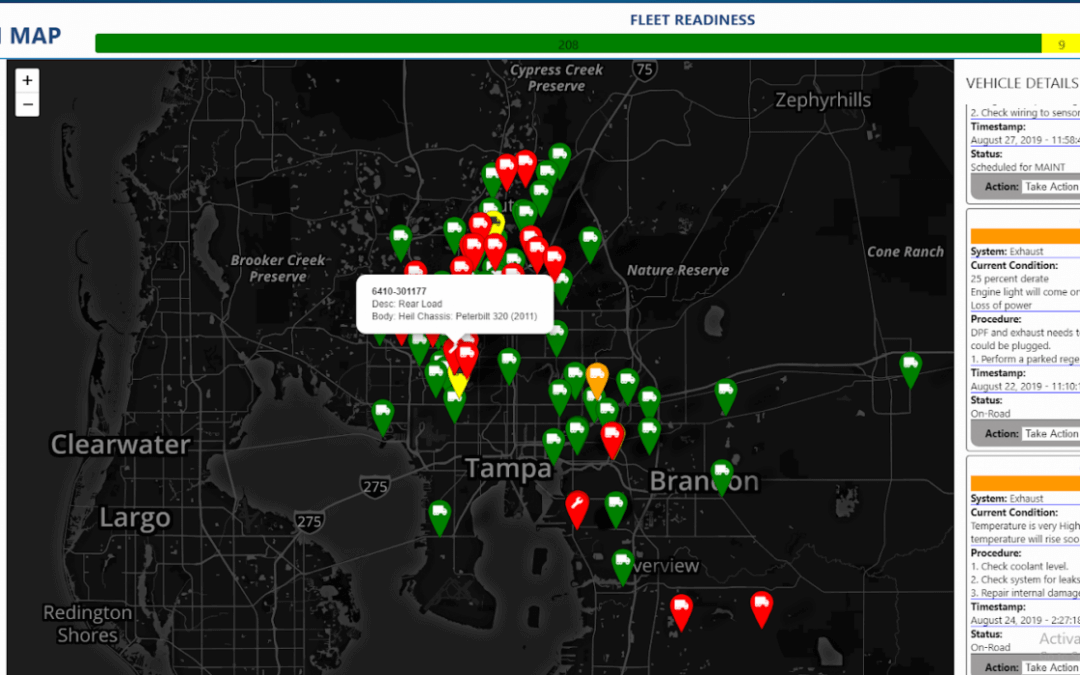
Fleet management software can tie directly into your vehicles’ GPS units and other trackers, allowing you to see every vehicle you have on a single map. From there, you can drill down to see specifics on every individual vehicle, from performance statistics to expected lifespan on every key component. It’s never been easier to get an at-a-glance overview of your entire fleet at once.
2 – Improve driver safety and road regulation compliance
Are your drivers properly following the rules of the road? Even relatively minor infractions such as chronic speeding or failing to stop properly at railroad crossings can cause significant extra risk in the long run. Depending on what tech you have in the cabs, you can potentially even monitor the drivers themselves, such as eye-tracking cameras that measure how often they’re blinking – looking out for signs that they’re driving while sleep-deprived.
You’ll be able to keep an eye on your drivers’ behavior, and even record runs in progress, for improvement coaching once they get back home.
3 – Improve fuel efficiency
With gas and diesel prices skyrocketing, you should be doing everything possible to improve fuel efficiency. Today’s fleet management solutions give you highly granular insight into each vehicle’s on-road performance. Besides highly accurate MPG tracking, you’ll also see if driver behaviors are contributing to fuel waste, such as unnecessary idling or overuse of cruise control or auto navigation features.
4 – Stay on top of maintenance
Preventative maintenance is far more cost-efficient than allowing vehicles to break down. The software can track a vehicle’s overall maintenance status, as well as tracking each component – when it was last serviced, and what its expected lifespan is. This makes it far easier to prevent breakdowns before they happen.
Get Fleet Management Solutions
Our team at Vehicle License Consultants (VLC) specializes in providing cutting-edge software solutions to the trucking industry. Contact us to learn more.
Fleet Management
The Most Important Considerations When Choosing a Fleet Management Solution
For people managing shipping operations and other commercial vehicle fleets, the right fleet management solution can be one of your most important operational tools. There are numerous options and fleet management software products on the market, and while many are excellent, not every solution is right for every challenge.
It’s not a question of finding the best fleet management solution, but rather finding the best solution for your particular needs.
So, what factors should you consider? Based on our decades of experience helping commercial fleets achieve maximum optimization, these are the areas we suggest fleet managers focus on when choosing between management solutions.
Four Critical Factors to Consider When Researching Fleet Management Solutions
1 – Your own pain points
More than anything else, the fleet management software solution you choose should address the problems that you are having in day-to-day operations. At first, pass, don’t worry about extra features or added bells and whistles. Think about the areas that cause you pain in your own management and look for solutions that will address those pain points first and foremost.
2 – A well-chosen feature set that reduces complexity
Another common mistake we often see is fleets choosing management solutions that are packed full of features – including features they may not ever use. Besides typically adding to the costs of these software packages, it also adds complexity and difficulty to their operation. A good fleet management package should be as easy to use as possible, to reduce training costs, and streamline day-to-day operation.
Plus, the best software options are modular. If there’s a particular feature you might need someday, just wait. You can probably add it later when the time comes.
3 – Scalability
Sure, that software package you’re looking at is sufficient for your needs today, but how long will that last? Look at your rates of business growth, as well as your overall goals for your business. Choose a management solution that will be able to grow with you and accommodate your likely situation at least five years down the line.
4 – Stability and guaranteed customer support
Finally, remember that you’ll undoubtedly need support from your software vendor. You want a company that provides robust customer service – and will also still be there when you need them. Solutions from a company that’s been in business for decades are a good idea since the vendor will likely stay in business.
Vehicle Licensing Consultants
VLC offers robust fleet management solutions for operations of any size! Click here to learn more about our products and services.
Fleet Management
Tips For Fleet Maintenance Management Best Practices
For 28 years, Vehicle Licensing Consultants (VLC) have been working hard to help shipping operations of all sizes improve their efficiency and productivity. We are fleet maintenance management specialists, with a range of consulting services and software packages that make your life easier while improving your bottom line.
So, what are the most important elements of fleet maintenance management in the 2020s? These are the areas we often suggest our customers focus on.
Four Critical Areas of Fleet Maintenance Management
1 – Establish clear, measurable, achievable goals
This is the foundation of all good fleet maintenance and good business growth in general. You should set clear goals and metrics for operations, and then measure progress towards those metrics over time. They should always be expressed in well-defined terms, preferably with hard numbers attached, so there’s no ambiguity about expectations.
This can include elements such as:
- Reducing accidents or traffic violations
- Optimizing fuel use
- Reducing delivery times
- Improving vehicle value / reducing depreciation
- Customer satisfaction levels
A company that doesn’t have clear-cut goals will struggle to improve in a reasonable fashion.
2 – Constant monitoring and data-tracking of vehicles
We’re not just talking about on-the-road monitoring here. Every possible aspect of your vehicles should be monitored and recorded for data analysis. Repairs, part lifespans, mileage, standards compliance, warranty terms, fuel efficiency… Every aspect of your fleet can potentially be analyzed looking for new opportunities for cost-cutting or improved profitability – but only if you’re tracking the data.
3 – Driver management
It’s every bit as important to monitor your drivers with the same level of detail as your vehicles. This can include overall route drive times, adherence to safety regulations, accidents, fuel-conservation strategies, and more. These can be tied back to your operational goals so that you can encourage driving behavior that best aligns with those goals. For example, are you more concerned with speed or fuel efficiency? Either could be the right answer, but you should be able to give your drivers clear guidance on which you’re optimizing for.
4 – Have robust fleet management software
Fleet management software is the backbone of every good trucking operation. It should be able to handle basic routing, hold data on your vehicles and drivers, and hopefully integrate your customer relationship management database as well. Having all information at your fingertips makes day-to-day operations so much easier.
VLC consulting and software can help your fleet achieve maximum efficiency! Click here to learn more.