Fleet Compliance, Fleet Management, FMCSA, Uncategorized, VLC
The MOTUS updates 2026 introduce major changes to how carriers manage FMCSA registration access, Login.gov authentication, and account activity. As of May 14, 2026, carriers must take a more proactive approach to account management to avoid registration delays and compliance issues.
FMCSA continues moving toward a centralized digital registration system. Carriers that fail to monitor their accounts risk losing access to important registration tools and records.
Whether you operate a large fleet, manage compliance, or work as an owner-operator, understanding these MOTUS changes is essential.
When does MOTUS Update?
Changes are already here! As of May 14th, 2026 the MOTUS platform has been updated.
What Are the MOTUS Updates 2026?
Federal Motor Carrier Safety Administration introduced MOTUS to modernize the carrier registration process. The platform helps transportation companies manage registration information in a more secure and streamlined environment.
MOTUS allows carriers to:
- Update carrier information
- Manage registration records
- Handle operating authority changes
- Maintain FMCSA account access
- Access USDOT-related information
The system replaces older workflows and supports FMCSA’s long-term modernization goals.

Why the MOTUS Updates Matter for Carriers
Many carriers only access FMCSA systems when they need to file paperwork or update registration details. However, the MOTUS updates 2026 require companies to actively maintain their accounts and login credentials.
Failing to manage account access can lead to:
- Delays in registration updates
- Difficulty accessing carrier records
- Problems updating operating authority
- Loss of access to archived portals
- Administrative delays during audits or compliance reviews
These issues can quickly become serious during time-sensitive situations.
This is especially important during:
- DOT audits
- Insurance updates
- Registration corrections
- Authority changes
- Ownership updates
- Fleet expansions
Carriers that maintain organized digital access are less likely to experience disruptions.
Need help managing your fleet credentials? Learn more about how GW Connect can help.

Login.gov Is Now Essential for FMCSA Access
One of the biggest operational changes tied to MOTUS is the increased reliance on Login.gov authentication.
FMCSA now uses Login.gov as the primary access point for registration management and account security. Carriers should make sure their Login.gov credentials are current and accessible.
Companies should:
- Keep Login.gov accounts active
- Verify contact information regularly
- Limit credential confusion internally
- Store login information securely
- Train staff on multi-factor authentication
Many carriers discover access problems only when urgent registration changes are needed. Proactive account management helps prevent unnecessary delays.
MOTUS Inactivity Deadlines Fleets Need to Know
The MOTUS updates 2026 also introduce stricter inactivity timelines for carrier portals.
FMCSA states that:
- Portals are disabled after 90 days of inactivity
- Accounts are archived after 12 months of inactivity
Carriers that do not routinely access their accounts may lose active portal privileges.
This often creates problems when:
- A registration update is required
- A filing deadline approaches
- A compliance issue appears
- Staff turnover causes credential confusion
- Immediate access restoration is needed
Inactive accounts can create major delays during critical compliance situations.
Carriers No Longer Need the Traditional FMCSA Portal for Some Changes
One of the more significant improvements within MOTUS is the reduced reliance on the traditional FMCSA portal.
Carriers can now manage certain registration activities through more modernized workflows. This helps simplify the process for:
- Updating registration information
- Managing carrier records
- Accessing registration services
- Maintaining compliance visibility
The goal is to reduce dependence on legacy systems while improving usability.
Even with these improvements, carriers still need to maintain accurate records and organized access procedures.
Best Practices for Managing MOTUS Access
Carriers should develop internal procedures to manage MOTUS access proactively.
Recommended best practices include:
- Logging into MOTUS regularly
- Reviewing Login.gov access quarterly
- Keeping contact information updated
- Monitoring inactivity timelines
- Creating internal access procedures
- Reviewing registration records routinely
For fleets with multiple locations or business entities, centralized visibility becomes even more important.
Waiting until a registration issue appears often leads to unnecessary delays and operational stress.
Stay Ahead of FMCSA Registration Changes
The MOTUS updates 2026 reinforce FMCSA’s continued push toward digital registration management and stronger account security.
Transportation companies that actively manage Login.gov access, monitor inactivity timelines, and maintain organized registration records will be better positioned to avoid disruptions.
As FMCSA modernization continues, a proactive approach to fleet management is becoming a critical part of carrier compliance.
For additional guidance, check out our compliance management solutions: GW Connect or DQM Connect.

DQMConnect™, Driver Qualification File Management, Fleet Compliance, Fleet Management, Gateway Connect, Uncategorized

2290 Heavy Highway Vehicle Use Tax, Fleet Compliance, Fleet Management
Stay Ahead of the IRS Form 2290 Filing Deadline
If your fleet operates heavy vehicles on public highways, now is the time to prepare for the upcoming Form 2290 filing season. The IRS deadline is fast approaching, and missing it can lead to registration delays, steep penalties, and unnecessary compliance headaches.
To help you avoid those issues, here’s what every fleet manager, owner-operator, and compliance professional needs to know about Form 2290 filing in 2025.
What Is IRS Form 2290?
IRS Form 2290 is the Heavy Highway Vehicle Use Tax Return. It applies to vehicles with a gross weight of 55,000 pounds or more that are driven on public highways. More than just paperwork, Form 2290 filing is a federal requirement. Without it, you won’t be able to register or renew IRP or apportioned plates.
Compliance Tip: Keep your DOT compliance intact by filing Form 2290 on time to prevent registration delays.
Which Vehicles Require a 2290 Filing?
Any vehicle that meets or exceeds the 55,000-pound gross weight threshold is subject to Form 2290 filing. This includes:
- Class 8 trucks and truck tractors
- Heavy-duty trailers
- Fleet and owner-operated vehicles
- Logging vehicles and suspended-use vehicles (under 5,000 miles/year)
- Vehicles placed in service mid-year
Compliance Tip: If you add vehicles mid-year, pro-rated Form 2290 filings are required. Don’t forget to file for them. Not sure how? Our team can help.
When and How to File Form 2290
The IRS Form 2290 filing period runs annually from July 1 to August 31, 2025. This covers the tax year beginning July 1, 2025, through June 30, 2026.
To complete your Form 2290 filing:
- File electronically (mandatory for fleets with 25 or more vehicles)
- Use an IRS-approved e-file provider
- Submit your VINs, EIN, and gross vehicle weight
- Receive a stamped Schedule 1 as proof of payment
- Submit Schedule 1 to your DMV or IRP office for registration or renewal
Simplify Your Process with GWConnect
Managing multiple vehicles and deadlines can be overwhelming. Fortunately, DQMConnect integrates with GWConnect to streamline the Form 2290 filing process.
With GWConnect, you can:
- Track Form 2290 deadlines by vehicle
- Store Schedule 1 forms securely
- Align 2290 filings with IRP and IFTA schedules
- Eliminate time wasted tracking paperwork
Compliance Tip: A centralized system reduces last-minute stress and helps ensure every form is filed on time. GWConnect is built for trucking companies of all sizes and industries.
The Cost of Missing a 2290 Filing
Missing the Form 2290 filing deadline can have serious consequences:
- Costly IRS late fees and interest
- Registration delays at IRP and DMV offices
- Gaps in compliance that may trigger audit flags or roadside penalties
Let’s Get Your Fleet Ready
Need help with your Form 2290 filing or planning renewals across your fleet?
Reach out to our team or request a demo. We’ll show you how GWConnect can help you file with confidence—and keep your fleet compliant, registered, and moving forward.
Fleet Compliance
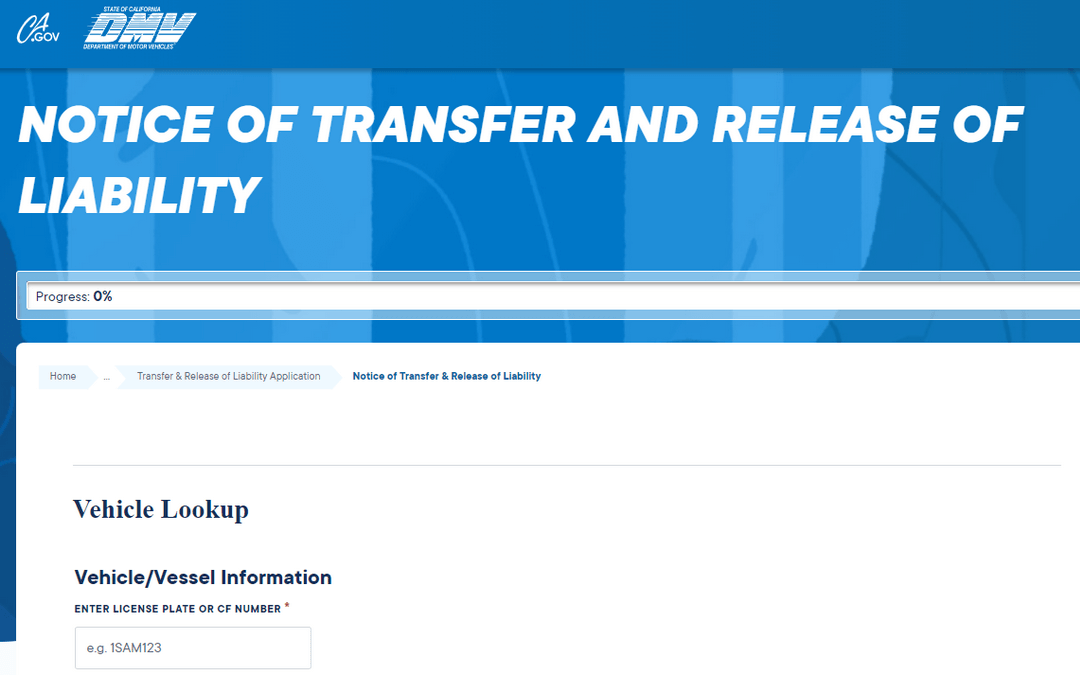
“Sold your vehicle? Here’s an important step most people don’t know about.”
File a release of liability with CA DMV.
Why should you file?
You have signed off the title and handed it over to the new owner to complete the transfer. A lot can happen between handing that title over to the new owner and the actual transfer being processed.
To ensure you are not held liable after the sales transaction has been completed, file a release of liability with the CA DMV. This ensures that if an incident occurs involving that vehicle, you are not held liable for the damages and repercussions.
If you need assistance with filing a release of liability, contact VLC.

Fleet Compliance
What Are the Most Important Features in Fleet Dispatch Software?
Fleet dispatch software is nothing new in the world of trucking – but the state of the art keeps advancing. That software package from a decade ago might be functional, but it’s lacking many of the innovations that have arrived in recent years. Numerous features are now available which can substantially improve the efficiency and productivity of your operation, making it easy to see a huge return on your upgrade investment.
If it’s been a few years since you last looked into fleet dispatch software options and features, here are just a few recent innovations that could bring big returns!
Six Must-Have Features in Modern Fleet Dispatch Software
1 – Cloud-based anywhere access
For decades, fleet software was tied to individual computers, or even to centralized servers within a building. That was fine at the time since there weren’t other options. Today, however, you need fleet software that can be accessed from anywhere, and from any device. That’s why nearly all modern dispatch software solutions are cloud-based, with interfaces that adapt depending on the device accessing them.
That way you and your drivers have complete access to information from anywhere, without ever needing to ‘phone home’ to someone sitting at a specific computer.
2 – Smart route optimization and order batching
Route optimization has come a long way since the days of in-cab GPS units. Today’s dispatch software can optimize routes based on a huge number of factors, from basic “shortest route” routing to more complicated schemes based on fuel usage or avoiding certain traffic situations such as making too many left turns.
On top of that, routing software can now optimize across numerous potential routes at the same time – such as taking large orders and finding the optimal way to batch them and get them all to their destination in the shortest possible time.
3 – AI-driven automated scheduling
When a customer comes in with a rush job or pays extra for “48-hour” delivery or similar services, a lot of moving parts need to come together in a very short period. AI-driven systems can take much of this burden off human dispatchers. They can monitor stock levels, know the locations of all nearby drivers and other transportation options, and start optimizing for a fast delivery almost instantly.
This can be especially critical in ‘white glove’ situations where the customer is expecting the shipment to be delivered directly to their door. These systems can make smart decisions about how to reduce the extra costs involved while seeing the delivery completed.
4 – Full integrations with other database systems
Do you still need to access multiple systems to get your job done? For example, many companies still have separate Customer Relationship Management (CRM), driver management, stocking, and dispatch/routing software. This can make day-to-day operations a real hassle.
Today’s fleet dispatch software can tie all these software functions and databases together into a single application. This makes management easier, but it also makes life better for your clients and customers as well – such as having instant access to a customer’s shipping history at the same time your arrangement for shipments.
5 – Deep real-time visibility
Sure, you can probably track where all your vehicles are at all times, but modern software options can go much further than that. You can track vehicles’ locations, speed, fuel consumption, or even monitor their adherence to rules of the road. Likewise, you can monitor stocking in real-time, as well as keeping up with other logistical issues that crop up during deliveries.
A great fleet dispatch software package gives you more real-time oversight of your entire operation than ever before – and usually all in the same application window.
This can also extend to real-time alerts. You can set up custom alerts to notify you of virtually any situation you want, allowing you to respond more quickly than if you were having to track all the variables yourself.
6 – Data analytics
The data generated during each run doesn’t simply vanish – it goes into databases for storage and analysis. In many cases, this is where the true benefit of software upgrades can come from. You can analyze performance across numerous variables instantly, making it easier to judge everything from the driving record of individual drivers, to how effectively your warehouses are managing their stock.
Over time, this data can be leveraged to make extremely accurate future forecasts based on past history. These can make budgeting and hiring decisions far easier, for example, by giving you a solid data-based foundation for making choices.
Upgrade Your Operations With VLC
For almost thirty years, Vehicle Licensing Consultants have been leaders in the fleet management industry. We have thousands of satisfied customers who’ve benefited from our consulting and software options. If you want to quickly increase productivity in your fleet operations, click here to learn more.

Fleet Compliance
From the small fleet of 2-3 vehicles to the large national fleet stretching across North America, one cannot place enough emphasis on having a great fleet management tool to manage the task.
Of course, the larger the fleet, the more complex the activities, which only speaks further to having software help you make quick and well-informed decisions. At Vehicle Licensing Consultants (VLC) we depend on software solutions to help our clients make the best business decisions, set reminders for registration and taxes due, collect and store ‘truckloads’ of data, and respond with processor speeds to needs of our owner-operated fleet clients.
How Does Fleet Management Software Help?
We believe that a fleet management system, especially one that can be sized for your organization, can be a huge asset to your business. Not only can it help analyze and predict, but it can also help you minimize costs and keep the budget intact. Here are a few examples of how a fleet management system can save you money.
Route Planning
A carefully planned route can take drivers on the best and shortest path to their destination. Route optimization can also help minimize detours, traffic, and weather concerns, all of which make the driving experience better and the fuel costs decrease.
Better Fuel Economy
While we cannot predict or affect the price of fuel, a fleet management tool can help minimize fuel waste, helping you manage costs. Excessive idling, braking, speeding and other factors can be detected by onboard telematics. By collecting this data, you can track and manage a lot of usage parameters that can help reduce wear and tear on your vehicles as well as fuel usage.
Predictive Maintenance
If you never had to apologize again for a late delivery, that would be wonderful for you and for the disappointed client. While predictive maintenance cannot guarantee that never happens, it can certainly minimize it. How much excess cost occurs when a vehicle must be towed? How hectic is the scheduling update when one vehicle is suddenly out of commission? Fleet management solutions help you to predict and schedule a vehicle for maintenance, significantly improving your time on the road. The lifespan of your vehicle is extended, your drivers and clients are happy.
Minimizing HOS violations
HOS violations can be costly. The FMCSA can levy penalties on a driver or carrier that range from $1,000 to $16,000 per violation depending upon severity. Violations that involve the transport of hazardous materials can exceed $75,000. This is an easy and important aspect of running your fleet that can have a huge financial impact. 70% of all HOS violations are considered form and manner issues, which is a fancy way of saying the driver’s log is not completed properly. With an electronic device automatically logging hours and reporting to the driver and fleet manager when they are nearing maximum hours, this can be easily managed. Electronic logging produces clean, compliant logs ready for roadside inspection. Yet another way fleet management solutions can save you money!
Delight Your Customers – Not Disappoint
We mentioned in the predictive maintenance section how a roadside breakdown can be a huge disappointment to your client. Depending on the size and utilization of the remaining fleet vehicles, it can have an effect on many of your deliveries for the time the vehicle is out of service. Another way that fleet management helps client relations is through customer service. When your customer calls to ask the status of a shipment, you can quickly check on your schedule and answer the client promptly and confidently. This interaction could easily go badly if the answer is nebulous or their concerns not abated with a definitive date/time.
Customizable Solutions
We believe that there are no one-size-fits-all solutions in fleet management. We like to show you how we approach helping clients from the small to the very large with this very important aspect of their transportation.
Vehicle Licensing Consultants
A Virtual Projects, LLC Company
Fleet & Driver Compliance…Fleet Tracking Software
https://im4trux.com/
530-384-3884