Driving Success Webinars
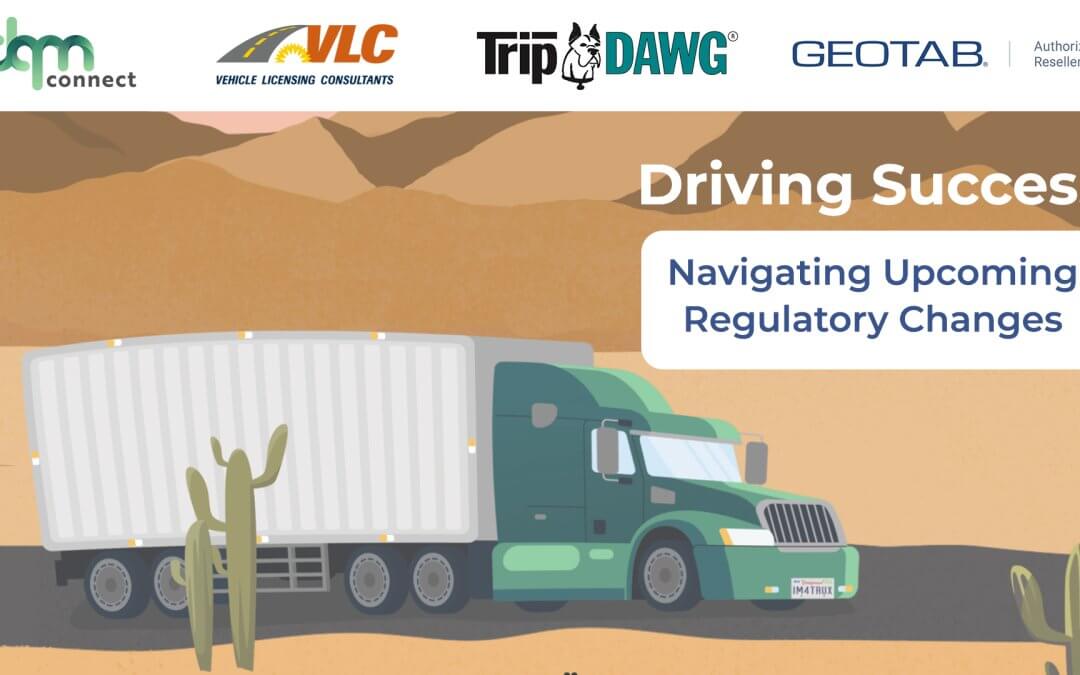
Understanding the California EV Mandate: What It Means for the Trucking Industry
The California EV mandate is set to reshape the future of commercial transportation. By 2027, California plans to transition to a fully electric vehicle (EV) fleet. This mandate puts pressure on dealers and carriers to adopt more EV trucks—quickly.
However, the transition is not without challenges. Long charging times and weak EV infrastructure in many states raise serious concerns about feasibility, especially for interstate haulers.
The High Cost and Limited Range of EV Trucks
A major hurdle is the cost. A Class 8 electric truck costs roughly $500,000. Hydrogen trucks are slightly less, around $450,000. In contrast, diesel trucks cost between $180,000 and $200,000. That’s a massive price difference, especially for small fleets and owner-operators.
EV trucks also have range limitations. Most offer around 230 miles per charge. With long haul routes, this means more frequent stops and longer charging periods—up to two hours per charge. That slows down operations and cuts into delivery efficiency.
Hours of Service Regulations Add Pressure
California is also proposing changes to hours of service regulations, requiring more frequent breaks. While intended to improve safety, these rules could create confusion, delays, and logistical headaches—especially with limited rest areas across the state.
Small fleets and independent drivers may struggle the most. Many already operate on razor-thin margins. New compliance demands could drive up costs and reduce profitability.
Potential Consequences of EV and HOS Mandates
Combined, these new regulations could push drivers to take shortcuts in order to meet strict delivery timelines. That may increase the risk of safety violations, compliance issues, and FMCSA audits.
These challenges reflect a broader concern in the industry: regulations are often developed without input from those who understand the day-to-day realities of trucking.
How to Prepare for the California EV Mandate
To manage the impact of the California EV mandate, it’s important to stay informed. Carriers and drivers should monitor changes at both state and federal levels. Engaging with lawmakers and industry associations is also key. By voicing concerns, stakeholders can help shape more realistic timelines and policy decisions.
Clear communication is essential. Industry leaders must continue highlighting the operational and financial consequences of these mandates.
Want to stay ahead of regulatory changes?
Contact us for updates to stay informed about the California EV mandate and how it may affect your fleet.
Driving Success Webinars
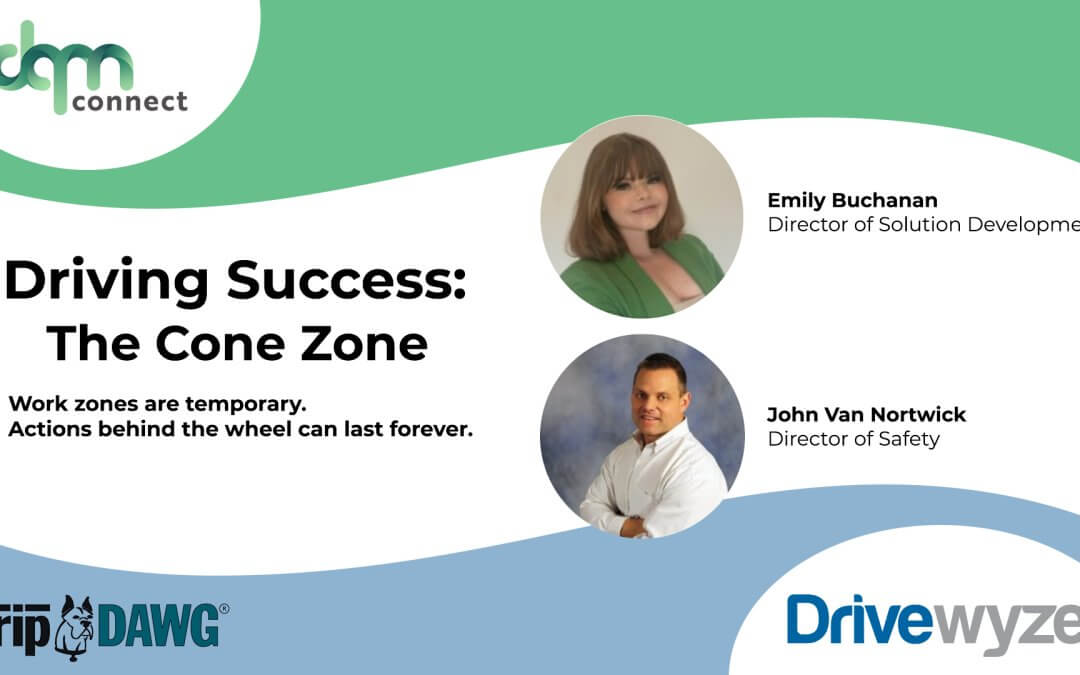
Drivewyze Work Zone Alerts: Enhancing Safety for Commercial Drivers
Drivewyze Work Zone Alerts are changing the way commercial drivers navigate road hazards. As part of the Drivewyze connected truck platform, this feature delivers real-time warnings to drivers about upcoming dangers—especially in work zones.
Using advanced geofencing technology, Drivewyze sends proactive alerts to help drivers avoid hazards like sudden slowdowns, rollover-prone areas, and construction zones. These alerts are designed to reduce risky driving behavior by keeping drivers informed well in advance.
Drivewyze Free: Real-Time Alerts Without the Cost
Drivewyze offers a free basic service that includes essential alerts for commercial drivers. This includes Drivewyze Work Zone Alerts, as well as notifications for low bridges, high rollover zones, and weight-restricted roads.
What makes it even better? There are no pop-ups, no ads, and no hidden fees—just valuable alerts supported by partnerships with state DOT agencies.
Proven Impact on Road Safety
Studies confirm the effectiveness of Drivewyze alerts. Drivers who receive these warnings are less likely to speed, brake hard, or get involved in collisions. This not only protects drivers but also makes the roads safer for everyone.
Drivewyze Data and Analytics: Smarter, Safer Driving
The platform also delivers daily updates on both long-term and real-time dynamic work zones. This helps drivers make safer decisions—like when to slow down or change lanes. For fleet managers, Drivewyze provides detailed analytics on driver behavior, including speed trends and potential violations.
These insights can help improve compliance and reduce risk across your fleet.
Custom Work Zone Alerts for Your Fleet
Drivewyze gives fleet managers the ability to create custom alert zones tailored to their unique needs. Whether it’s a local work zone, a high-wind area, or a temporary road closure, custom zones improve both safety and operational efficiency.
For example, a fleet in Chicago used this feature to track driver time in specific red zones related to pickups and deliveries—boosting accountability and performance.
Looking Ahead: What’s Next for Drivewyze
Drivewyze Work Zone Alerts are currently being piloted in California, with plans to expand nationwide. Upcoming features will include alerts for vehicles stopped on the roadside, further enhancing situational awareness.
Drivers and fleet managers are encouraged to share data with Drivewyze to help improve coverage and accuracy of alerts across the country.
Why Work Zone Alerts Matter
According to the Federal Motor Carrier Safety Administration (FMCSA), work zones are a high-risk area for commercial drivers. Early warnings can reduce crashes, injuries, and costly downtime.
Ready to make your fleet safer?
Explore Drivewyze Work Zone Alerts or contact us to learn how Drivewyze can help improve safety, compliance, and performance.
Driving Success Webinars
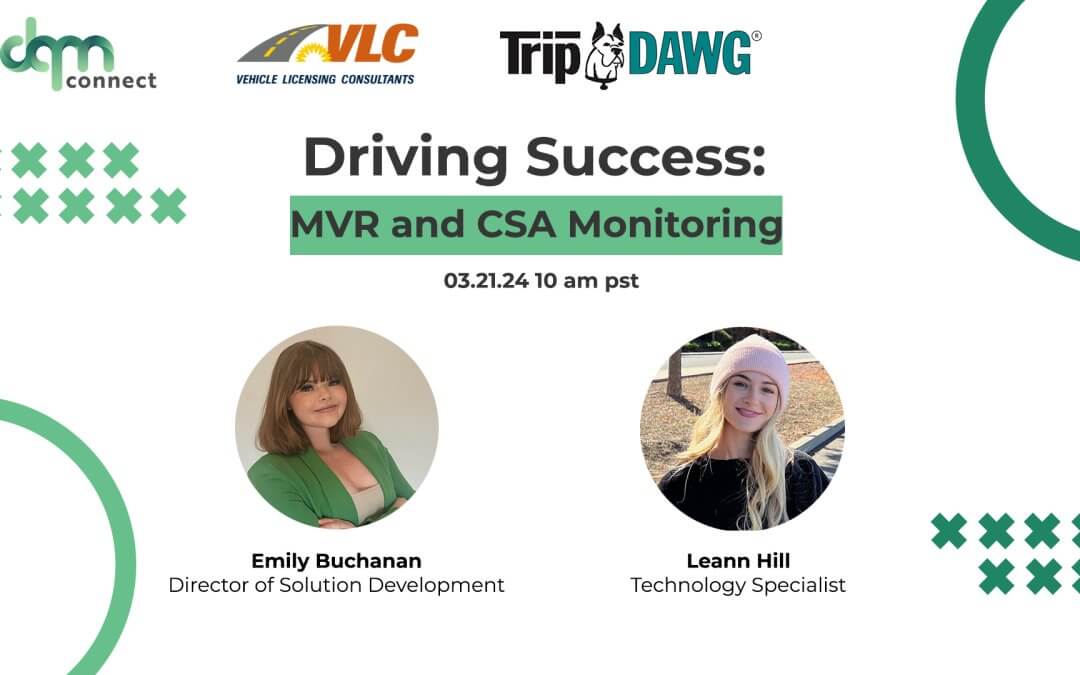
Why Maintaining a Complete Driver File Is Critical for Compliance and Safety
A complete driver file is essential for every commercial motor vehicle (CMV) operator. It is not just a formality—it’s a requirement. This file contains all the necessary documents that prove a driver meets the DOT safety and qualification standards.
These records cover every stage of employment. That includes pre-employment screening, onboarding paperwork, and ongoing annual updates. Each piece plays a role in showing that your company follows federal regulations.
One of the key requirements from the Department of Transportation (DOT) is obtaining Motor Vehicle Reports (MVRs). These reports must be pulled before hiring a driver and then reviewed every year. However, annual MVR checks are not enough.
Why? Because problems can arise between reviews. A driver could lose their license, rack up violations, or demonstrate unsafe behavior—all without your knowledge. Relying solely on yearly checks leaves dangerous gaps in your compliance strategy.
That’s why maintaining and actively reviewing each driver file is so important. It allows companies to spot red flags early and take corrective action.
Ignoring these issues can have serious consequences. Companies with poor Compliance, Safety, Accountability (CSA) scores are more likely to face audits, inspections, and enforcement actions. In some cases, operations may even be restricted.
Driver behavior has a direct impact on your CSA score. So, it’s critical to monitor performance and maintain up-to-date records. A well-managed driver file doesn’t just protect your company—it also promotes safety, accountability, and peace of mind.
Want an easier way to manage driver files and stay compliant?
Check out DQM Connect to streamline your processes, or contact us to learn how we can help your fleet stay audit-ready and efficient.
Driving Success Webinars
DOT Driver Applications: Expert Advice from Barry, Founder of DQM Connect
Barry, the founder of DQM Connect, shares expert advice on DOT driver applications and how to stay compliant. His guidance helps motor carriers avoid common mistakes that can lead to serious compliance issues.
When it comes to DOT driver applications, one of the most important steps is ensuring the application is properly completed. According to Title 49, Section 391.21, each driver application must be signed by the applicant. It must also be branded with the name of the motor carrier. Without these elements, the application may not meet FMCSA standards.
Even more critically, failing to include key details—like driver profile information and a valid signature—can raise red flags. These oversights could result in delays, audits, or penalties. Therefore, it’s essential to get it right the first time.
Additionally, employers should carefully review each driver’s experience and previous employment. Evaluating a driver’s work history helps verify if they meet the mileage and qualification requirements. Employers must also account for any gaps in a driver’s ten-year employment history. These gaps, if left unexplained, could trigger concerns during an audit.
By following these best practices for DOT driver applications, employers can streamline their hiring process. At the same time, they ensure full compliance with federal regulations. This not only protects the company but also builds a stronger, more reliable workforce.
For more tips and compliance insights, DQM Connect is here to help. Or contact us to see how we can help.